


The Science of Cellular Aging: Why We Age and How to Slow It


EllieMD
5 min read
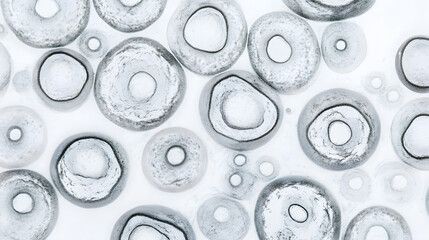
The biology of aging has undergone a revolution over the past two decades. What was once considered an inevitable, poorly understood process has been reconceptualized as a set of specific, mechanistically distinct cellular and molecular changes that can, in principle, be measured and modified. This reconceptualization is the foundation of modern longevity medicine.
The Hallmarks of Aging
In 2013, a landmark paper published in Cell identified nine hallmarks of aging, molecular and cellular changes that cause or accelerate biological aging across species. A 2023 update expanded the list to twelve. Understanding these hallmarks explains why the field is so interested in specific interventions targeting specific mechanisms rather than a single unified anti-aging solution.
Genomic Instability
Every cell in your body accumulates DNA damage over time. This comes from environmental exposures (UV radiation, toxins, radiation), metabolic byproducts (reactive oxygen species), and replication errors. DNA repair mechanisms become less efficient with age, allowing damage to accumulate. Genomic instability is one of the primary drivers of cancer risk with aging and contributes to cellular dysfunction broadly.
Telomere Attrition
Telomeres are repetitive DNA sequences at the ends of chromosomes that protect genetic material during cell division. Each division shortens telomeres slightly. When telomeres become critically short, cells enter senescence (they stop dividing) or die. Short telomeres are associated with age-related disease and shorter lifespan across species.
Epigenetic Alterations
The epigenome, the system that controls which genes are expressed without altering the underlying DNA sequence, changes dramatically with age. Patterns of DNA methylation, histone modification, and chromatin remodeling shift in ways that alter gene expression in aging cells. The Horvath epigenetic clock tracks these changes and can estimate biological age more accurately than chronological age alone.
Loss of Proteostasis
Proteostasis refers to the maintenance of a healthy protein population within cells. Proteins must be correctly folded to function, and misfolded proteins are normally cleared by cellular quality control systems (autophagy, the ubiquitin-proteasome system). With aging, these clearing mechanisms become less efficient, and misfolded protein aggregates accumulate. This is central to neurodegenerative diseases like Alzheimer's and Parkinson's.
Deregulated Nutrient Sensing
Several nutrient-sensing pathways, including mTOR, AMPK, insulin/IGF-1 signaling, and sirtuins, regulate how cells respond to energy availability. These pathways are deeply connected to aging in ways that have been extensively studied across species. Caloric restriction, intermittent fasting, and drugs like rapamycin and metformin all affect these pathways, which is why they have attracted longevity research interest.
Mitochondrial Dysfunction
Mitochondria are the cell's energy producers. With age, mitochondrial function declines, energy production becomes less efficient, and reactive oxygen species (free radical) production increases. Mitochondrial dysfunction contributes to virtually every tissue's age-related decline and is one of the most central hallmarks of aging.
Cellular Senescence
Senescent cells are cells that have stopped dividing but have not died. They persist in tissues and secrete a mixture of inflammatory signals called the senescence-associated secretory phenotype (SASP). Senescent cells accumulate with age and contribute to tissue inflammation and dysfunction. Clearing senescent cells, a strategy called senolysis, is one of the most active areas of longevity research.
How Longevity Medicine Targets These Hallmarks
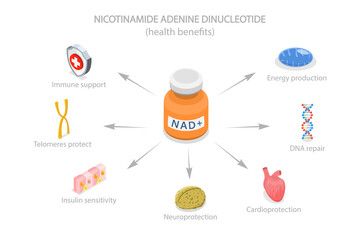
The interventions that have attracted the most serious longevity research attention each target one or more of these hallmarks. NAD+ precursors support DNA repair and mitochondrial function by providing the substrate sirtuins and other DNA repair enzymes require. Growth hormone secretagogues like sermorelin address mitochondrial dysfunction and proteostasis indirectly through improved metabolic function. BPC-157 supports tissue repair mechanisms. Senolytics like fisetin and quercetin target cellular senescence.
Exercise remains the most powerful modifier of multiple hallmarks simultaneously, improving mitochondrial function, reducing senescent cell burden, supporting proteostasis, and influencing epigenetic patterns, all in one intervention. This is why longevity medicine consistently positions exercise as the foundation upon which other interventions are added, not replaced.
The Practical Takeaway
Understanding cellular aging mechanisms clarifies why no single intervention is likely to dramatically slow aging on its own. The hallmarks are multiple and interconnected. A rational longevity protocol addresses as many relevant mechanisms as possible, using interventions with the strongest evidence at each level, in combination with the lifestyle practices that affect the most pathways simultaneously.
The goal is not to stop aging but to compress morbidity, to extend the period of healthy function and delay the onset of age-related disease and decline. The science now provides specific, mechanistically grounded targets for that goal. The interventions to hit those targets are becoming more sophisticated every year.
Learn more at the EllieMD YouTube Channel.
Individual results may vary. All prescriptions require approval by a licensed medical provider. Compounded medications are not FDA-approved. EllieMD facilitates access to independent healthcare providers and pharmacies and does not provide medical care or dispense medications.
Related Articles
NAD+ Nasal Spray vs IV Therapy: A Clinical Comparison
EllieMD
Starting Longevity Medicine in Your 30s: Why Earlier Changes the Outcome
EllieMD

The Longevity Case for Resistance Training: What the Research Actually Shows
EllieMD

Sermorelin vs. HGH: Which Is Better for Longevity?
EllieMD
Methylene Blue for Brain Health: Cognitive Benefits and What the Research Shows
EllieMD
NAD+: Benefits, How It Works, and Delivery Methods Explained
EllieMD
Get the latest updates and exclusive offers by subscribing to our newsletter.
© 2026 EllieMD LLC. All rights reserved.
