


NAD+: Benefits, How It Works, and Delivery Methods Explained


EllieMD
5 min read
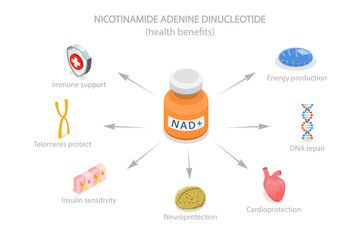
NAD+ is one of the most talked-about molecules in longevity medicine right now, and the attention is warranted. NAD+ (nicotinamide adenine dinucleotide) is a coenzyme present in every living cell, involved in hundreds of metabolic processes. Research over the past two decades has established a clear connection between declining NAD+ levels and many of the cellular changes associated with aging. Understanding what NAD+ actually does, and what happens when levels drop, is the foundation for understanding why supporting it has become a focus of longevity medicine.
This guide explains what NAD+ is, what the current evidence shows about its role in aging, and how different delivery methods compare for those exploring NAD+ therapy with a physician.
What NAD+ Does in the Body
NAD+ functions as an electron carrier in cellular metabolism, playing a central role in how your cells convert food into usable energy. It sits at the heart of cellular respiration, the process by which mitochondria produce ATP, the molecule your body uses for essentially every biological function.
Beyond energy production, NAD+ is a required substrate for several critical protein classes. Sirtuins, sometimes called longevity proteins, depend on NAD+ to function. Sirtuins regulate gene expression, DNA repair, inflammation, and cellular stress responses. PARP enzymes, which are involved in DNA damage repair, also consume NAD+ as part of their activity. CD38, an enzyme that breaks down NAD+, becomes increasingly active with age, further depleting available NAD+.
The net result is that as we age, NAD+ availability drops, sirtuins become less active, DNA repair efficiency declines, and cellular energy production becomes less robust. Research published in Cell Metabolism by David Sinclair's lab at Harvard helped establish this cascade as a significant driver of cellular aging, generating substantial scientific and public interest in NAD+ supplementation.
What Happens to NAD+ Levels with Age
The decline in NAD+ levels with age is well documented. Studies measuring NAD+ in human tissue have found that levels in middle-aged adults are roughly half those seen in younger adults, with the decline continuing through later decades. This is not a gradual background trend. The drop is substantial and measurable.
This decline has been linked in research to reduced mitochondrial function, increased DNA damage accumulation, impaired metabolic flexibility, and reduced cellular stress resilience. Whether restoring NAD+ levels can meaningfully reverse or slow these processes in humans is an active area of research, and the evidence is promising but still developing.
Animal studies have consistently shown that NAD+ supplementation improves mitochondrial function, increases physical endurance, and extends healthy lifespan in model organisms. Human clinical trial data is more limited but growing. A 2022 randomized controlled trial published in Nature Aging found that NMN supplementation increased NAD+ levels in older adults and was associated with improvements in muscle function and walking speed, though the trial size was modest.
NAD+ Delivery Methods: How They Compare
If you and your physician decide that NAD+ support is appropriate for your situation, the next question is how to deliver it. The options differ meaningfully in bioavailability, onset, and practicality.
NAD+ Precursors (NMN and NR) Rather than administering NAD+ directly, many protocols use precursor molecules that the body converts into NAD+. Nicotinamide mononucleotide (NMN) and nicotinamide riboside (NR) are the two most studied. Both have demonstrated the ability to raise blood and tissue NAD+ levels in human studies. Oral NMN and NR are available in supplement form and are the most accessible entry point. Bioavailability varies, and gut absorption is not fully efficient, meaning some of the precursor does not reach target tissues.
NAD+ IV Infusion Intravenous NAD+ delivers the molecule directly into the bloodstream, bypassing gut absorption entirely. This produces rapid and significant increases in circulating NAD+. IV infusion is used clinically in addiction medicine and has been explored in the longevity context. The practical limitations are cost, the requirement for clinical administration, and the time investment (infusions typically take several hours). It is not a routine approach for most people.
NAD+ Nasal Spray Nasal delivery of NAD+ is a newer approach that has attracted interest for its potential to offer better bioavailability than oral precursors without the logistical requirements of IV infusion. The nasal mucosa offers a more direct absorption pathway. EllieMD's NAD+ nasal spray is one of the formulations our physicians work with, and your care team can discuss whether it is appropriate for your protocol.
Subcutaneous Injection Injectable NAD+ precursors offer another route that bypasses gut absorption and provides more reliable delivery than oral supplementation. Like nasal spray, this approach sits between oral precursors and IV infusion in terms of practicality and expected bioavailability.
The right delivery method for you depends on your health history, goals, current health status, and what your physician recommends based on your full picture. There is no universally superior option.
NAD+ and the Brain
One area of particular research interest is the relationship between NAD+ and cognitive function. NAD+ levels in brain tissue decline with age, and this has been linked in animal studies to neuroinflammation, reduced neuronal resilience, and cognitive impairment. The connection has motivated research into NAD+ support as a potential factor in brain aging.
Human data here is earlier-stage than in the metabolic and physical function areas. A 2020 study in Aging Cell found that NR supplementation in older adults reduced levels of certain inflammatory markers associated with neuroinflammation. The implications for cognitive protection are still being explored, and this should be understood as preliminary rather than established.
This is an area where your physician's guidance is particularly important. Extrapolating from animal studies or early human data to personal treatment decisions requires clinical context that a general article cannot provide. For broader context on brain-targeted longevity approaches, our article on methylene blue brain benefits covers related research.
Combining NAD+ Support with Other Longevity Approaches
NAD+ is rarely the only component of a well-designed longevity protocol. Physicians working in this space often consider how NAD+ support fits alongside other interventions, whether that is peptide therapy, lifestyle optimization, or metabolic health management.
The combination of NAD+ support with sirtuin activators like resveratrol has been extensively studied in animal models, though the human data is more limited. The combination of NAD+ support with exercise is particularly well supported, with research suggesting that exercise increases demand for NAD+ in muscle tissue and that maintaining adequate NAD+ availability may enhance the cellular adaptations that exercise produces.
Discussing your full health picture with your EllieMD physician, including your current exercise habits, sleep, and any other supplements or medications you are taking, gives them the information they need to think through how NAD+ support fits into your overall approach. See our longevity program overview for more on how EllieMD structures these conversations.
Learn more at the EllieMD YouTube Channel.
Individual results may vary. All prescriptions require approval by a licensed medical provider. Compounded medications are not FDA-approved. EllieMD facilitates access to independent healthcare providers and pharmacies and does not provide medical care or dispense medications.
Related Articles
NAD+ Nasal Spray vs IV Therapy: A Clinical Comparison
EllieMD
Starting Longevity Medicine in Your 30s: Why Earlier Changes the Outcome
EllieMD

The Longevity Case for Resistance Training: What the Research Actually Shows
EllieMD

Sermorelin vs. HGH: Which Is Better for Longevity?
EllieMD
Methylene Blue for Brain Health: Cognitive Benefits and What the Research Shows
EllieMD
A Complete Guide to Longevity Supplements: What Works and What Does Not
EllieMD
Get the latest updates and exclusive offers by subscribing to our newsletter.
© 2026 EllieMD LLC. All rights reserved.
