



Methylene Blue for Brain Health: Cognitive Benefits and What the Research Shows


EllieMD
5 min read
Methylene blue is one of the more unusual compounds to appear in longevity and cognitive health conversations, partly because of where it comes from. It is a synthetic dye, first synthesized in 1876, used for over a century in medicine as a treatment for methemoglobinemia and other conditions. Its recent resurgence in longevity medicine is driven by a growing body of research into its effects on mitochondrial function and cognitive performance.
Understanding methylene blue brain benefits requires separating what the research genuinely supports from what has been extrapolated beyond the evidence. This article covers both.
What Methylene Blue Does at the Cellular Level
The reason methylene blue has attracted attention in the brain health and longevity space is its unusual biochemical behavior. Unlike most molecules, methylene blue can accept and donate electrons, meaning it can function as an electron carrier in the mitochondrial electron transport chain. This gives it a unique capacity to support cellular energy production.
The mitochondrial connection is significant because declining mitochondrial function is one of the well-established cellular features of brain aging. Neurons are among the highest energy-consuming cells in the body, and their function is tightly linked to mitochondrial efficiency. Research in animal models has shown that methylene blue can bypass certain points of mitochondrial dysfunction and restore ATP production in cells that have compromised electron transport chains.
Beyond energy production, methylene blue has shown antioxidant effects and has been studied for its impact on tau protein aggregation, a feature of Alzheimer's disease pathology. This line of research drove significant pharmaceutical interest in methylene blue as a potential Alzheimer's therapeutic in the 2000s and 2010s.
What the Research Shows - and Where It Stops
The research on methylene blue and cognitive function falls into several categories that should be assessed separately.
Animal and in vitro research is extensive and consistently shows beneficial effects on memory, learning, and neuronal energy metabolism across a range of models. This forms the biological foundation for human research interest.
Human pharmacology studies have established that methylene blue crosses the blood-brain barrier and accumulates in brain tissue, which is a prerequisite for any central nervous system effect. A 2016 study published in Redox Biology found measurable increases in cytochrome oxidase activity (a mitochondrial enzyme) in human brain tissue following methylene blue administration, supporting the mechanism in humans.
Human cognitive research is more limited. A 2017 randomized controlled trial from the University of Texas found that a single low dose of methylene blue was associated with improvements in memory tasks and brain activity patterns on fMRI in healthy adults. This was a single small study and should not be overinterpreted, but it is notable for being conducted in humans with an objective brain imaging endpoint.
Alzheimer's clinical trials using a methylene blue derivative (LMTM) produced disappointing results in large phase 3 trials, with no significant benefit over placebo in the primary endpoints. This does not invalidate the mechanistic rationale, but it does mean that the optimism around methylene blue as an Alzheimer's treatment has been substantially tempered.
The honest summary is this: the mechanistic case for methylene blue's effects on brain energy metabolism is reasonably solid, the human evidence for cognitive benefit is real but limited, and the specific application to Alzheimer's treatment did not bear out in large trials.
Practical Considerations for Longevity Use
The longevity context for methylene blue is different from the Alzheimer's treatment context. In longevity medicine, the interest is in supporting brain function and resilience in cognitively healthy adults, not treating established neurodegeneration.
Methylene blue is available as a pharmaceutical-grade compound through compounding pharmacies. Quality matters here, because non-pharmaceutical grade methylene blue can contain contaminants. Your EllieMD physician will only work with formulations from vetted, licensed pharmacies.
The compound has known interactions with certain medications, particularly serotonergic drugs. Combining methylene blue with selective serotonin reuptake inhibitors (SSRIs) or other serotonergic medications carries a risk of serotonin syndrome. This is a clinically significant interaction that your physician must be aware of before prescribing. Full medication disclosure at your consultation is not optional.
For more on how methylene blue fits within a broader longevity approach, see our NAD+ article on cellular energy production and our peptide therapy guide for broader context.
Who Is Currently Using Methylene Blue Therapeutically
In clinical practice, methylene blue appears in a few distinct contexts. Emergency and critical care medicine has used it for decades in methemoglobinemia. Psychiatry has explored it as an MAOI in certain treatment-resistant depression cases. And in the longevity and cognitive optimization space, it is being used in low, carefully titrated doses by patients working with physicians interested in mitochondrial support.
This last group is the fastest-growing area of interest, and it is also the area with the least formal clinical trial data. Patients using methylene blue in a longevity context are, to some extent, ahead of the published evidence base. That is a fact worth knowing, not a reason to either dismiss or uncritically embrace the approach.
Working with a physician through EllieMD's longevity program means that decisions about methylene blue are made within the full context of your health history, other medications, and goals. The consultation is where this conversation belongs.
Learn more at the EllieMD YouTube Channel.
Individual results may vary. All prescriptions require approval by a licensed medical provider. Compounded medications are not FDA-approved. EllieMD facilitates access to independent healthcare providers and pharmacies and does not provide medical care or dispense medications.
Related Articles

NAD+ Nasal Spray vs IV Therapy: A Clinical Comparison
EllieMD

Starting Longevity Medicine in Your 30s: Why Earlier Changes the Outcome
EllieMD

The Longevity Case for Resistance Training: What the Research Actually Shows
EllieMD

Sermorelin vs. HGH: Which Is Better for Longevity?
EllieMD
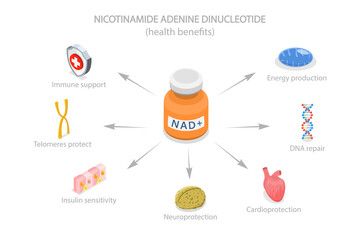
NAD+: Benefits, How It Works, and Delivery Methods Explained
EllieMD

A Complete Guide to Longevity Supplements: What Works and What Does Not
EllieMD
Get the latest updates and exclusive offers by subscribing to our newsletter.
© 2026 EllieMD LLC. All rights reserved.
