


The Longevity Case for Resistance Training: What the Research Actually Shows


EllieMD
5 min read
Resistance training may be the single most evidence-based longevity intervention available. Here is what the research shows about how it affects the biology of aging and why no supplement replicates it.
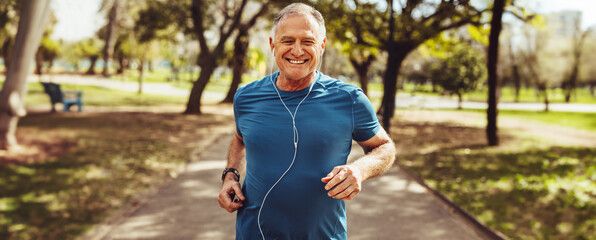
If there is one intervention in longevity medicine with a more established evidence base than any supplement, peptide, or pharmaceutical, it is resistance training. Not aerobic exercise alone, but specifically the practice of loading muscles against resistance. The depth and breadth of what the research shows about resistance training and biological aging is remarkable, and yet it is consistently underemphasized in conversations that focus on the more novel pharmacological and supplemental approaches.
This is not an argument against peptide therapy or NAD+ supplementation. Those have their place and the evidence for them is real. It is an argument for understanding that resistance training is not just a healthy habit to keep alongside the medication. It is itself a potent longevity intervention that nothing else fully substitutes for.
What Resistance Training Does to the Biology of Aging
The hallmarks of aging, as described in the landmark Cell paper by Lopez-Otin and colleagues, provide a useful framework for understanding why resistance training is so relevant.
Mitochondrial dysfunction is one of the central hallmarks. Muscle contraction against resistance is one of the most potent stimuli known for mitochondrial biogenesis, the creation of new mitochondria in muscle cells. Regular resistance training maintains mitochondrial density and function in aging muscle in ways that directly counteract one of the primary cellular mechanisms of aging.
Loss of proteostasis, the systems that maintain protein quality control and remove damaged proteins, is addressed by the cellular stress response that resistance training activates. The mild mechanical stress of training upregulates autophagy pathways, the cellular cleaning processes that remove damaged proteins and organelles, particularly in the hours following a training session.
Cellular senescence, the accumulation of cells that stop dividing but release inflammatory signals, is associated with sedentary aging. Research has shown that regular exercise reduces the burden of senescent cells in muscle and potentially other tissues.
Chronic inflammation, the inflammaging that is central to biological aging, is reduced by regular resistance training through multiple pathways including reduced visceral fat, improved metabolic health, and the acute anti-inflammatory response that follows exercise.
Stem cell exhaustion, particularly in muscle tissue where satellite cells maintain the capacity for repair and regeneration, is significantly affected by training. Regular resistance training maintains satellite cell activity and muscle regenerative capacity in aging.
In short, resistance training addresses nearly every hallmark of aging simultaneously, through mechanisms that are entirely different from supplemental or pharmacological approaches.
The Muscle Mass Connection to Lifespan
The relationship between muscle mass and longevity outcomes has become increasingly clear in epidemiological research. Low muscle mass and low grip strength are among the most consistent predictors of mortality in older adults, outperforming many traditional cardiovascular risk factors in some studies.
This relationship is not simply that muscle loss is a marker of poor health. The muscle itself appears to be causally protective. Muscle tissue is metabolically active, regulates blood sugar through glucose uptake during and after exercise, secretes myokines (muscle-derived signaling proteins) that have anti-inflammatory and organ-protective effects throughout the body, and maintains physical function in ways that protect against the falls, hospitalizations, and functional decline that characterize the end stages of aging.
Research from the Cooper Clinic using cardiorespiratory fitness and muscle strength data from a large cohort found that low muscle strength was associated with mortality risk comparable to smoking and equivalent to metabolic syndrome. The magnitude of the longevity risk from low muscle mass and strength is consistently underappreciated relative to the clinical attention it receives.
How Resistance Training Fits Alongside EllieMD's Programs
Every EllieMD program, whether for weight loss, longevity, or metabolic optimization, works better in a patient who is maintaining muscle through resistance training. For GLP-1 patients, resistance training is the primary tool for preserving lean mass during the caloric deficit the medication creates. For sermorelin patients, resistance training amplifies the growth hormone-driven muscle protein synthesis that the peptide supports. For NAD+ patients, the exercise-induced demand for NAD+ in working muscle tissue is part of the reason NAD+ support is most relevant in active individuals.
The recommendation is not complex. Three to four sessions per week of resistance training covering the major muscle groups, at an intensity that challenges you but is sustainable, maintained consistently over years. The longevity benefit is not from occasional exercise. It is from the accumulated biological adaptation of years of regular training.
Learn more at the EllieMD YouTube Channel.
Individual results may vary. All prescriptions require approval by a licensed medical provider. Compounded medications are not FDA-approved. EllieMD facilitates access to independent healthcare providers and pharmacies and does not provide medical care or dispense medications.
Related Articles
NAD+ Nasal Spray vs IV Therapy: A Clinical Comparison
EllieMD
Starting Longevity Medicine in Your 30s: Why Earlier Changes the Outcome
EllieMD

Sermorelin vs. HGH: Which Is Better for Longevity?
EllieMD
Methylene Blue for Brain Health: Cognitive Benefits and What the Research Shows
EllieMD
NAD+: Benefits, How It Works, and Delivery Methods Explained
EllieMD
A Complete Guide to Longevity Supplements: What Works and What Does Not
EllieMD
Get the latest updates and exclusive offers by subscribing to our newsletter.
© 2026 EllieMD LLC. All rights reserved.
