


Peptide Therapy for Longevity: The Complete Beginner's Guide


EllieMD
6 min read
Longevity peptide therapy has moved from the fringes of anti-aging medicine into mainstream clinical practice over the past decade. More people are asking their physicians about peptides than ever before, and for good reason. The research is catching up to the curiosity, and a growing body of evidence suggests that certain peptides play meaningful roles in how the body ages, repairs itself, and maintains function over time.
This guide is for anyone who has heard the term and wants a clear, honest starting point. We will cover what peptides actually are, how they work in the body, which ones have the most research behind them, and what the process looks like when you work with a physician to explore this approach. If you are already a patient on EllieMD's longevity program, this article will help you understand the science behind what you are doing. If you are just getting started, it is a solid foundation.
What Peptides Are and Why They Matter for Aging
Peptides are short chains of amino acids, the same building blocks that make up proteins. The difference is size. Where proteins can contain hundreds or thousands of amino acids linked together, peptides are typically between 2 and 50 amino acids long. That smaller size means they can pass through biological barriers more easily and interact with specific cell receptors in targeted ways.
Your body produces peptides naturally. Hormones like insulin and oxytocin are peptides. The digestive enzyme precursors your stomach secretes are peptides. Growth hormone releasing hormone is a peptide. The problem is that as we age, the body produces many of these signaling molecules in smaller amounts and with less efficiency. Peptide therapy works by replenishing or mimicking specific peptides to support functions that tend to decline with age.
The appeal of peptide-based approaches in longevity medicine comes from their specificity. Unlike broad hormonal interventions, individual peptides can be selected to target particular biological processes, whether that is growth hormone stimulation, immune modulation, tissue repair, or cellular energy production. This precision is part of what makes them interesting to researchers and clinicians alike.
The Most Studied Peptides in Longevity Medicine
Not all peptides are created equal, and the evidence base varies significantly between them. Here is where the research currently stands on the ones most commonly used in longevity-focused clinical practice.
Sermorelin is a growth hormone releasing hormone analogue. Rather than introducing synthetic growth hormone directly, sermorelin stimulates the pituitary gland to produce and release its own growth hormone in a more natural, pulsatile pattern. This approach is favored by many longevity physicians because it works with the body's own feedback mechanisms rather than bypassing them. Research has shown sermorelin can support lean muscle mass, sleep quality, and body composition in adults with declining growth hormone levels. Your physician can walk you through whether this fits your situation. More detail is available in our article on what sermorelin is and how it works.
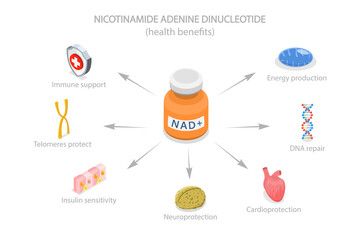
NAD+ precursors and related peptides address one of the most well-documented aspects of biological aging. NAD+ is a coenzyme involved in hundreds of metabolic reactions, and its levels decline substantially with age. Supporting NAD+ metabolism is a central focus of longevity medicine, and several peptide and supplement-based approaches exist to do so. We cover this in depth in our NAD+ guide.
BPC-157 stands for Body Protection Compound 157, a synthetic peptide derived from a protein found in gastric juice. It has attracted significant research attention for its effects on tissue healing, gut integrity, and injury recovery. The majority of BPC-157 research to date has been conducted in animal models, and while the results have been consistently interesting, human clinical trial data remains limited. A physician-guided approach is essential here. More in our BPC-157 article.
Thymosin Alpha-1 is a naturally occurring peptide produced by the thymus gland, which plays a central role in immune function. Research in immunocompromised populations has shown meaningful effects on immune system activity, and it is used clinically in several countries. In the longevity context, it is primarily of interest for immune support as the immune system becomes less effective with age. Our article on Thymosin Alpha-1 benefits covers the research in detail.
PT-141 (bremelanotide) sits at the intersection of sexual health and longevity medicine. Unlike the others on this list, it works centrally through melanocortin receptors rather than through hormonal or tissue repair pathways. It is the only FDA-approved non-hormonal treatment for hypoactive sexual desire disorder in premenopausal women. It is also relevant for the broader longevity conversation because sexual health and vitality are legitimate components of healthspan, not just lifespan.
How Longevity Peptide Therapy Actually Works as a Clinical Program
Peptide therapy is not a consumer product you add to a routine on your own. It is a physician-directed medical intervention, and that distinction matters both for safety and for results.
At EllieMD, the process starts with a thorough medical consultation. Your physician reviews your health history, current medications, symptoms, and goals. Baseline labs are often part of this picture. The goal is to understand what is actually happening in your body before deciding which peptides, if any, are appropriate.
From there, your physician designs a protocol specific to you. This is not a menu where you select what sounds appealing. It is a clinical decision made with your full health picture in view. The peptide, the formulation, the administration method, and the duration are all part of that decision.
Medications are compounded by licensed pharmacies and shipped directly to you. Your EllieMD care team stays accessible throughout treatment, monitoring your response and adjusting as needed. The relationship does not end at the prescription.
What Results Look Like and How Long They Take
Managing expectations is a core part of honest medicine. Peptide therapy is not a shortcut and it does not produce dramatic results overnight. What it can do, over a sustained period with a well-designed protocol, is support meaningful improvements in the biological processes it targets.
Patients working with sermorelin-based protocols often notice changes in sleep quality first, sometimes within the first several weeks, before other physical changes become apparent. Body composition shifts tend to develop over months rather than weeks. Tissue repair peptides like BPC-157 tend to show effects that align with the healing timeline of whatever injury or condition is being addressed.
The honest answer on timeline is that meaningful results typically develop over three to six months, with the most significant cumulative effects appearing after sustained use. Your physician will help you set realistic benchmarks based on your specific protocol and goals.
Is Longevity Peptide Therapy Right for You?
The honest answer is that it depends, and any source that tells you otherwise without knowing your health history is not being straight with you.
Longevity peptide therapy tends to be most relevant for adults who are noticing early signs of age-related decline, whether in energy, body composition, recovery, sleep, immune resilience, or overall vitality. It is also relevant for people who are proactively focused on healthspan and want to support biological function before significant decline occurs.
It is not appropriate for everyone. Certain medical conditions, medications, and personal health histories can affect whether particular peptides are suitable. This is precisely why the physician consultation is the starting point, not an optional step.
If you are curious about whether EllieMD's longevity program is a fit for your situation, the first step is a conversation with one of our physicians. The program overview is at www.EllieMD/longevity.
Learn more at the EllieMD YouTube Channel.
Individual results may vary. All prescriptions require approval by a licensed medical provider. Compounded medications are not FDA-approved. EllieMD facilitates access to independent healthcare providers and pharmacies and does not provide medical care or dispense medications.
Related Articles

NAD+ Nasal Spray vs IV Therapy: A Clinical Comparison
EllieMD

Starting Longevity Medicine in Your 30s: Why Earlier Changes the Outcome
EllieMD

The Longevity Case for Resistance Training: What the Research Actually Shows
EllieMD

Sermorelin vs. HGH: Which Is Better for Longevity?
EllieMD

Methylene Blue for Brain Health: Cognitive Benefits and What the Research Shows
EllieMD
NAD+: Benefits, How It Works, and Delivery Methods Explained
EllieMD
Get the latest updates and exclusive offers by subscribing to our newsletter.
© 2026 EllieMD LLC. All rights reserved.
