



NAD+ and Anti-Aging: What the Science Actually Says


EllieMD
5 min read
NAD+ has become one of the most discussed molecules in longevity medicine, but sorting the robust science from the hype requires looking at what the evidence actually demonstrates at each level: molecular, animal, and human.
What NAD+ Is and Why It Declines with Age
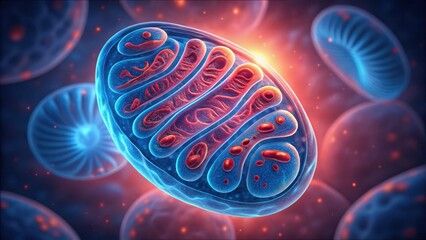
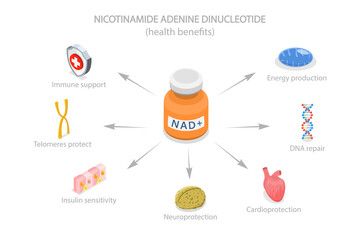
Nicotinamide adenine dinucleotide (NAD+) is a coenzyme present in every cell in the body. It plays a central role in converting nutrients into ATP, the cell's primary energy currency, through a process that occurs in the mitochondria. NAD+ also functions as a substrate for sirtuins, a family of proteins involved in DNA repair, gene expression regulation, and cellular stress response, and for PARP enzymes, which are critical for repairing DNA damage.
The problem is that NAD+ levels decline with age, by roughly 50 percent between young adulthood and middle age in some tissues. This decline appears to be driven partly by increased NAD+ consumption (sirtuins and PARPs use more NAD+ as DNA damage accumulates with aging) and partly by declining efficiency of NAD+ synthesis pathways.
The result is a cell that is simultaneously less able to produce energy efficiently and less able to repair its DNA, two hallmarks of biological aging.
The Molecular Case for NAD+ in Aging
The molecular research on NAD+ and aging is extensive and compelling. Studies in yeast, worms, and mice have shown that increasing NAD+ levels extends lifespan and improves health markers. Research published in Cell Metabolism demonstrated that restoring NAD+ levels in old mice reversed some markers of vascular aging. A landmark 2013 study in Cell showed that NAD+ decline was causally linked to mitochondrial dysfunction in aging mice, and that restoring NAD+ in two-year-old mice produced mitochondria that resembled those of young animals.
Human Clinical Evidence
The translation from animal models to humans has been more measured but still meaningful. Several human trials have established the basics.
NAD+ precursors raise NAD+ levels in human tissues. A 2018 study in Nature Communications confirmed that oral nicotinamide riboside (NR) supplementation is safe and raises blood NAD+ levels in healthy middle-aged and older adults. A 2021 clinical trial published in Cell Reports showed that NMN supplementation improved physical performance and muscle quality in older men, effects consistent with improved mitochondrial function.
Research from Washington University School of Medicine found that NMN supplementation improved insulin sensitivity in postmenopausal women with prediabetes. A small but well-designed study from the same group showed improvements in skeletal muscle NAD+ levels and insulin signaling with NMN supplementation.
What NAD+ Does Not Do
NAD+ supplementation is not a cure for aging, does not reverse established age-related disease, and does not substitute for foundational lifestyle practices. The human evidence, while growing, remains preliminary compared to the animal literature. Most human trials have been small, short in duration, and have measured biomarkers rather than hard clinical outcomes like disease incidence or longevity.
The companies selling NAD+ supplements often outrun the evidence. The research supports raising NAD+ as a biologically meaningful intervention. It does not yet support specific claims about disease reversal or dramatic longevity extension in humans.
Delivery Method and NAD+ Anti-Aging Effects
How you take NAD+ affects how much you absorb and where it ends up. Oral NR and NMN are the most studied forms in humans and are absorbed and converted to NAD+ in tissues. Intravenous NAD+ delivers the highest blood levels most rapidly. Intranasal NAD+ may preferentially deliver to brain tissue via the olfactory pathway. Subcutaneous NAD+ injections offer a middle ground between oral bioavailability and IV convenience.
For anti-aging applications, the choice of delivery method should be guided by your primary goals, whether that is systemic NAD+ support, cognitive function support, or other specific objectives. A physician familiar with NAD+ therapy can help individualize this decision.
Sirtuin Activation: The Mechanism Behind the Anti-Aging Interest
Sirtuins are a family of seven proteins that regulate a wide range of processes including gene expression, DNA repair, mitochondrial biogenesis, and inflammation. They require NAD+ to function. When NAD+ levels are adequate, sirtuin activity supports cellular maintenance and stress response. When NAD+ is low, sirtuin function is compromised.
The discovery that caloric restriction activates sirtuins, and that sirtuin activation recapitulates some of the benefits of caloric restriction, sparked significant interest in NAD+ as a longevity target. Raising NAD+ to support sirtuin activity is the primary anti-aging mechanism proposed for NAD+ supplementation.
Learn more at the EllieMD YouTube Channel.
Individual results may vary. All prescriptions require approval by a licensed medical provider. Compounded medications are not FDA-approved. EllieMD facilitates access to independent healthcare providers and pharmacies and does not provide medical care or dispense medications.
Related Articles
NAD+ Nasal Spray vs IV Therapy: A Clinical Comparison
EllieMD
Starting Longevity Medicine in Your 30s: Why Earlier Changes the Outcome
EllieMD

The Longevity Case for Resistance Training: What the Research Actually Shows
EllieMD

Sermorelin vs. HGH: Which Is Better for Longevity?
EllieMD
Methylene Blue for Brain Health: Cognitive Benefits and What the Research Shows
EllieMD
NAD+: Benefits, How It Works, and Delivery Methods Explained
EllieMD
Get the latest updates and exclusive offers by subscribing to our newsletter.
© 2026 EllieMD LLC. All rights reserved.
