



Glutathione IV vs. Nasal Spray vs. Oral: Which Form Works Best?


EllieMD
5 min read
Glutathione is often called the body's master antioxidant, and while that label can feel like marketing language, it reflects something real. Glutathione is a tripeptide (three amino acids: cysteine, glutamate, and glycine) produced in every cell of the body, and it plays a central role in protecting cells from oxidative stress, supporting immune function, and facilitating detoxification in the liver. Its levels decline with age, chronic illness, and oxidative stress, which has made it a focus of interest in both clinical medicine and longevity-focused care.
The question of how to effectively deliver glutathione is genuinely contested in the research literature. The molecule's stability and oral bioavailability have historically been considered poor, leading to interest in alternative delivery routes. Here is what the current evidence shows for each approach.
Why Glutathione Delivery Is Complicated
Unlike most small molecules, glutathione faces specific challenges when taken orally. The reduced form of glutathione (GSH), which is the biologically active antioxidant form, can be oxidized during digestion and may be broken down by gastrointestinal enzymes and gut bacteria before reaching the bloodstream intact. Earlier research suggested oral glutathione had minimal impact on systemic glutathione levels, which drove clinical interest in injection and infusion approaches.
More recent research has complicated this picture. A 2015 randomized controlled trial published in the European Journal of Nutrition found that oral glutathione supplementation did increase blood glutathione levels after four weeks of daily use, challenging the earlier consensus. The extent to which this translates to meaningful clinical benefit remains an active area of research, but the picture is more nuanced than a flat dismissal of oral glutathione.
Oral Glutathione: Evidence and Limitations
The body of evidence on oral glutathione has grown substantially over the past decade. The 2015 trial by Richie et al. is the most cited human study and found statistically significant increases in whole blood and red blood cell glutathione levels after both one and six months of supplementation compared to placebo. Participants received 250mg or 1000mg daily.
Oral glutathione is the most accessible and lowest-cost form. Liposomal glutathione formulations, which encapsulate the molecule in lipid vesicles to improve gut absorption, have shown promise in some research for delivering more intact glutathione to systemic circulation. Whether this translates to meaningfully better clinical outcomes than standard oral forms is not fully resolved.
The practical reality: oral glutathione is unlikely to be the highest-bioavailability option, but the evidence that it has no effect is no longer the consensus it once was. For patients with modest goals or who prefer an oral supplement as part of a broader protocol, it may be appropriate. Your physician can contextualize this based on your specific situation.
Glutathione Injection and IV: What the Benefits Argument Rests On
The case for injectable glutathione, whether intramuscular or intravenous, rests on straightforward pharmacokinetic logic. Bypassing the gastrointestinal tract removes the absorption and stability challenges that affect oral delivery. IV glutathione goes directly into the bloodstream, producing rapid and significant elevation in plasma glutathione levels.
This approach is used in a range of clinical contexts. In some countries, IV glutathione is administered for liver protection and skin brightening applications (the latter based on its role in melanin synthesis). In the longevity and integrative medicine space in the United States, IV glutathione is used by physicians aiming to rapidly elevate glutathione status in patients who need it. The glutathione injection benefits argument essentially comes down to certainty of delivery.
The limitation is practical: IV glutathione requires clinical administration or home nursing support, is not convenient for ongoing regular use, and is more expensive. Intramuscular injection is more practical but still requires the preparation and administration logistics of any injection protocol. Your physician and pharmacy will provide guidance on administration if this is part of your protocol.
Nasal Glutathione: An Emerging Middle Ground
Nasal delivery of glutathione has attracted research interest as an approach that may offer better bioavailability than oral delivery without the logistics of injection. The nasal mucosa is highly vascular, and absorption through it can bypass first-pass liver metabolism. For brain-targeted delivery, the proximity of the nasal cavity to the brain via the olfactory pathway is an additional potential advantage that has generated research interest.
A 2017 study by Mischley et al. in NPJ Parkinson's Disease examined intranasal glutathione in Parkinson's patients and found improvements in symptom measures and movement quality, though this was a small, open-label study. For the broader longevity context, the nasal route is still emerging and the evidence base is thinner than for IV or oral approaches.
Nasal glutathione may represent a practical middle ground for patients who want better than oral bioavailability without committing to regular injections. EllieMD's longevity program includes physician-directed discussion of which glutathione formulation best fits your protocol. For broader context on how glutathione fits alongside other longevity approaches, see our NAD+ article and peptide therapy guide.
Precursor Approach: Supporting the Body's Own Production
An alternative to direct glutathione supplementation is supporting the body's own glutathione synthesis. N-acetylcysteine (NAC) provides cysteine, the rate-limiting amino acid in glutathione production. Research on NAC as a glutathione-elevating strategy is more extensive than on glutathione itself, with a large body of evidence in both clinical medicine and research settings.
NAC is FDA-approved as a treatment for acetaminophen overdose and for certain lung conditions. Its use in the longevity context is as a glutathione precursor and antioxidant in its own right. Your physician may consider NAC as part of a comprehensive approach depending on your goals and health picture.
Learn more at the EllieMD YouTube Channel.
Individual results may vary. All prescriptions require approval by a licensed medical provider. Compounded medications are not FDA-approved. EllieMD facilitates access to independent healthcare providers and pharmacies and does not provide medical care or dispense medications.
Related Articles

NAD+ Nasal Spray vs IV Therapy: A Clinical Comparison
EllieMD

Starting Longevity Medicine in Your 30s: Why Earlier Changes the Outcome
EllieMD

The Longevity Case for Resistance Training: What the Research Actually Shows
EllieMD

Sermorelin vs. HGH: Which Is Better for Longevity?
EllieMD

Methylene Blue for Brain Health: Cognitive Benefits and What the Research Shows
EllieMD
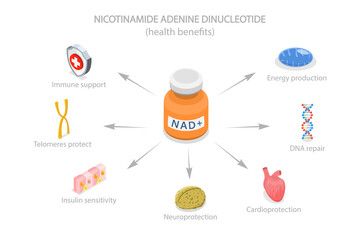
NAD+: Benefits, How It Works, and Delivery Methods Explained
EllieMD
Get the latest updates and exclusive offers by subscribing to our newsletter.
© 2026 EllieMD LLC. All rights reserved.
