


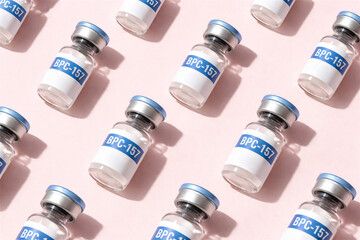
BPC-157: The Healing Peptide - Benefits, Research, and What to Know


EllieMD
5 min read
BPC-157 has become one of the most searched peptides in longevity and recovery medicine, and the interest is not without basis. Short for Body Protection Compound 157, BPC-157 is a synthetic peptide derived from a sequence found in a protein in human gastric juice. Its reputation as a healing peptide comes from a substantial body of animal research showing effects on tissue repair, gut healing, tendon recovery, and blood vessel formation.
Understanding BPC-157 well means being honest about two things simultaneously. The research is genuinely interesting, and the human clinical trial data is still early. This article covers what the evidence shows, where the gaps are, and why working with a physician matters when exploring BPC-157 as part of a longevity or recovery protocol.
Where BPC-157 Comes From and How It Works
BPC-157 was first isolated and characterized by Croatian researcher Predrag Sikiric and his colleagues at the University of Zagreb, who spent decades studying the protective effects of gastric juice on various tissues. The peptide sequence, 15 amino acids long, was identified as a component of human gastric juice proteins and was found to have biological activity well beyond the GI tract.
The primary mechanism researchers have focused on is BPC-157's apparent ability to promote angiogenesis, the formation of new blood vessels, and to upregulate growth hormone receptors in tendon fibroblasts. Both mechanisms are relevant to tissue repair. Injured tissue heals faster when it has adequate blood supply and when the cells responsible for rebuilding connective tissue are more responsive to growth signals.
BPC-157 also appears to interact with the nitric oxide system, which affects vascular function, and has shown anti-inflammatory effects in several animal models. In gut research specifically, it has demonstrated protective effects on the intestinal lining and has been studied in the context of inflammatory bowel conditions in animal subjects.
What the Research Actually Shows
The honest framing here matters. The vast majority of BPC-157 research has been conducted in rodents. The results across hundreds of animal studies have been notably consistent: accelerated healing of tendons, ligaments, muscles, and bone; protective effects on gut lining; recovery from nerve injury; and reversal of certain drug-induced organ damage. The breadth and consistency of positive findings in animal research is part of what drives clinical interest.
Human clinical trial data on BPC-157 is limited. There is one notable exception: a small clinical trial examining BPC-157 in a specific inflammatory bowel condition, which showed benefit. For musculoskeletal and systemic longevity applications, the human evidence base is currently observational and anecdotal, drawn from clinical experience rather than randomized controlled trials.
This is not unusual in the peptide therapy space, and it is not a reason to dismiss the research. But it is a reason to approach claims with appropriate calibration. BPC-157 is not proven to do in humans everything it does in rats, and anyone presenting it as though it is has gotten ahead of the evidence.
For anyone curious about comparing BPC-157 to other peptides being studied in a longevity context, our peptide therapy guide provides a broader overview.
Common Applications in Clinical Practice
Despite the limited human trial data, BPC-157 is used by physicians in the longevity and sports medicine space for a range of applications based on the biological plausibility of its mechanisms and the animal research foundation.
Tendon and ligament repair is the most common application. Tendon injuries are notoriously slow to heal due to poor blood supply, and BPC-157's pro-angiogenic effects make it theoretically relevant. Athletes and active adults dealing with persistent tendon issues are among the most common patients who inquire about it.
Gut healing and GI support is another area of clinical interest, particularly for patients with intestinal permeability concerns or those recovering from GI insult. The gastric origin of the peptide itself speaks to why GI applications have been studied most extensively.
Post-surgical recovery and general tissue healing contexts are where some clinicians incorporate BPC-157 as a supportive measure alongside standard-of-care treatment, not as a replacement for it.
Your EllieMD physician evaluates whether BPC-157 is appropriate for your specific situation based on your health history and goals. It is not appropriate for every patient, and the consultation process exists for exactly this reason. If you are exploring peptide options more broadly, our Thymosin Alpha-1 article covers another peptide with a different mechanism and evidence profile.
Administration and What to Expect
BPC-157 is typically administered by subcutaneous or intramuscular injection, or in some formulations orally. Your physician and the dispensing pharmacy will provide complete instructions specific to your protocol. This article does not cover injection technique or dosing, as both are individually determined and should come directly from your prescribing physician.
In terms of timeline, animal research and clinical experience suggest that effects in tissue repair contexts develop over weeks of consistent use rather than days. This aligns with the biology of tissue healing, which proceeds through defined phases regardless of any supportive intervention.
Being Clear About Regulatory Status
BPC-157 is not FDA-approved for any indication in the United States. It is available through licensed compounding pharmacies for physician-directed use. The regulatory landscape around peptides used in longevity and sports medicine is actively evolving, and your EllieMD physician stays current on any changes that affect prescribing options.
Working through a legitimate telehealth platform with physician oversight matters particularly for peptides like BPC-157, where the lack of an FDA-approved product means the quality of the compounding pharmacy is a significant variable. EllieMD works with licensed, vetted pharmacies that meet our medical team's standards. Our longevity program covers how this works in practice.
Learn more at the EllieMD YouTube Channel.
Individual results may vary. All prescriptions require approval by a licensed medical provider. Compounded medications are not FDA-approved. EllieMD facilitates access to independent healthcare providers and pharmacies and does not provide medical care or dispense medications.
Related Articles
NAD+ Nasal Spray vs IV Therapy: A Clinical Comparison
EllieMD
Starting Longevity Medicine in Your 30s: Why Earlier Changes the Outcome
EllieMD

The Longevity Case for Resistance Training: What the Research Actually Shows
EllieMD

Sermorelin vs. HGH: Which Is Better for Longevity?
EllieMD

Methylene Blue for Brain Health: Cognitive Benefits and What the Research Shows
EllieMD
NAD+: Benefits, How It Works, and Delivery Methods Explained
EllieMD
Get the latest updates and exclusive offers by subscribing to our newsletter.
© 2026 EllieMD LLC. All rights reserved.
