



Biological Age vs Chronological Age: Can Peptides Slow the Clock?


EllieMD
5 min read
You have two ages. Your chronological age is the number of years you have been alive. Your biological age is how old your cells, tissues, and organ systems actually are, measured by their functional capacity and molecular state. These two numbers are often different, sometimes dramatically so. And critically, biological age appears to be modifiable.
What Determines Biological Age
Several measurable biological systems contribute to biological age. Telomere length, the protective caps on chromosomes that shorten with each cell division, is one of the earliest markers studied. Shorter telomeres correlate with older biological age and higher risk of age-related disease.
Epigenetic patterns, meaning which genes are turned on or off in your cells, change predictably with aging in ways that can be measured and quantified. The Horvath clock, a widely used epigenetic aging measure, estimates biological age from methylation patterns across hundreds of genomic sites and has been validated against numerous health outcomes.
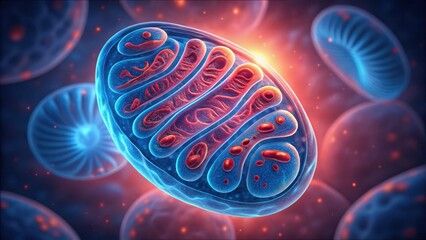
Other contributors include mitochondrial function, levels of systemic inflammation, immune system composition, and metabolic health. These systems interact. Poor mitochondrial function contributes to inflammation. Chronic inflammation accelerates epigenetic aging. The systems are deeply interconnected.
Why the Gap Between Biological and Chronological Age Matters
People with a biological age significantly older than their chronological age have higher rates of cardiovascular disease, cognitive decline, cancer, and all-cause mortality. Conversely, people who are biologically younger than their chronological age have lower disease burden and longer health spans.
Twin studies have shown that genetics accounts for only about 25 percent of the variation in biological aging rates. The rest is determined by lifestyle factors and environmental exposures that can, in principle, be changed.
Where Peptides Fit in Biological Age Research
Growth Hormone Axis Peptides
Growth hormone secretagogues like sermorelin stimulate the pituitary to produce more growth hormone, which in turn increases insulin-like growth factor 1 (IGF-1). Growth hormone and IGF-1 decline significantly with age, contributing to reduced muscle mass, increased fat, slower tissue repair, and reduced energy. Restoring growth hormone to more youthful levels through peptide secretagogues rather than direct growth hormone administration attempts to recapture this lost signaling without the side effects associated with supraphysiologic growth hormone doses.
NAD+ and Cellular Energy
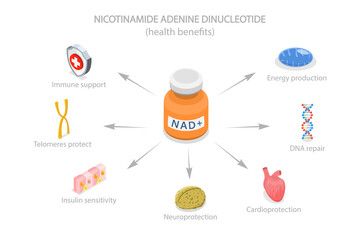
NAD+ is a coenzyme central to mitochondrial energy production and DNA repair. NAD+ levels decline with age, and lower NAD+ is associated with accelerated mitochondrial dysfunction and reduced DNA repair capacity. Multiple human studies have shown that NAD+ precursors can restore NAD+ levels in tissues, though whether this translates to meaningful biological age reduction in humans is still being investigated.
BPC-157 and Cellular Repair
BPC-157 is a synthetic peptide that demonstrates remarkable tissue healing properties in animal models, influencing growth factor signaling involved in tissue repair, angiogenesis, and inflammation reduction. Its relevance to biological aging lies in the hypothesis that more efficient tissue repair over time slows the accumulation of damage that drives biological aging.
Testing Your Biological Age
The most scientifically validated approaches use DNA methylation analysis from blood or saliva samples to estimate epigenetic age using algorithms like the Horvath clock. Commercial testing is now available directly to consumers and through physician offices. Complementary assessments include telomere length testing, VO2 max testing, grip strength, and comprehensive metabolic and inflammatory panels. Testing provides a baseline. Retesting after a longevity protocol provides evidence of whether interventions are working.
Realistic Expectations
Peptide therapy as a biological age intervention is not yet supported by the same quality of clinical evidence that backs exercise and dietary interventions. The mechanistic rationale is sound, and the animal data is compelling, but large randomized trials in humans showing that peptides meaningfully shift epigenetic age are still limited.
What physician-supervised peptide protocols offer is a rational combination of interventions targeting known aging mechanisms, administered with appropriate medical oversight, alongside foundational lifestyle practices that have stronger evidence. The goal is extending the period of life spent in good health with preserved function. That goal is achievable, and the tools are becoming more sophisticated every year.
Learn more at the EllieMD YouTube Channel.
Individual results may vary. All prescriptions require approval by a licensed medical provider. Compounded medications are not FDA-approved. EllieMD facilitates access to independent healthcare providers and pharmacies and does not provide medical care or dispense medications.
Related Articles

NAD+ Nasal Spray vs IV Therapy: A Clinical Comparison
EllieMD
Starting Longevity Medicine in Your 30s: Why Earlier Changes the Outcome
EllieMD

The Longevity Case for Resistance Training: What the Research Actually Shows
EllieMD

Sermorelin vs. HGH: Which Is Better for Longevity?
EllieMD

Methylene Blue for Brain Health: Cognitive Benefits and What the Research Shows
EllieMD
NAD+: Benefits, How It Works, and Delivery Methods Explained
EllieMD
Get the latest updates and exclusive offers by subscribing to our newsletter.
© 2026 EllieMD LLC. All rights reserved.
