



PT-141 for Women: How Bremelanotide Works and What to Expect


EllieMD
5 min read
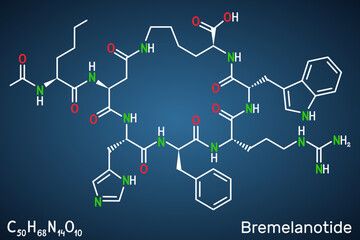
PT-141, the generic name for which is bremelanotide, holds a specific and unusual distinction in women's health: it's the only FDA-approved prescription treatment for hypoactive sexual desire disorder (HSDD) in premenopausal women that doesn't work through hormones. That mechanism distinction matters enormously for women who want to address low libido without altering their hormonal environment.
This article covers what the medication is, how it works, who it's typically prescribed for, what the clinical trials showed, and practical information about using PT-141 through EllieMD's sexual health telehealth program.
What Is PT-141?
PT-141 was originally developed as a sunless tanning agent, derived from alpha-melanocyte stimulating hormone (alpha-MSH). During early human trials for tanning, researchers noticed a consistent secondary effect: subjects reported significant increases in sexual desire and spontaneous erections. The development focus shifted accordingly.
The compound activates melanocortin receptors in the central nervous system, particularly MC1R and MC4R. These receptors, when stimulated, produce effects that include arousal and desire originating from the brain itself, rather than from peripheral blood flow changes (which is how Viagra and similar medications work for men).
In 2019, the FDA approved bremelanotide under the brand name Vyleesi for the treatment of HSDD in premenopausal women. It became the second FDA-approved treatment for HSDD overall (after flibanserin, sold as Addyi), and the first one that works through central nervous system activation rather than hormone modulation.
How PT-141 Differs from Hormonal Treatments
Many women experiencing low libido are offered hormonal options: testosterone, estrogen, or DHEA, depending on their situation and whether they're pre- or post-menopausal. These can be effective but come with considerations that make some women reluctant to use them, including concerns about long-term hormonal effects, contraindications in certain conditions (hormone-sensitive cancers, for example), and changes in menstrual cycle or other hormonal symptoms.
PT-141 sidesteps the hormonal pathway entirely. It doesn't change estrogen or testosterone levels. It works by activating receptors in the brain's motivational and reward pathways, specifically ones involved in sexual desire and arousal.
This makes it relevant for women whose low libido doesn't have a clear hormonal cause, or who have tried hormonal approaches without satisfaction, or who have medical reasons to avoid hormonal therapies.
What the Clinical Evidence Shows
The FDA approval of bremelanotide was based on results from the RECONNECT trial program, two large randomized, placebo-controlled trials involving premenopausal women with HSDD.
The primary outcome measured was change in the number of satisfying sexual events per month and change in distress related to low desire. In both trials, bremelanotide produced statistically significant improvements in both measures compared to placebo.
Women on bremelanotide reported approximately 0.7 more satisfying sexual events per month than those on placebo, and significantly lower scores on validated scales measuring distress related to sexual dysfunction. While those numbers might sound modest in absolute terms, they were clinically and statistically meaningful in a condition that affects quality of life and relationships in very real ways.
Side effects in the trials were primarily nausea (reported by about 40% of women) and flushing (about 20%). A transient, usually mild, blood pressure decrease followed by an increase was also observed, which is why the medication is contraindicated in women with cardiovascular disease or uncontrolled high blood pressure.
Who Is PT-141 Appropriate For?
EllieMD's sexual health program includes a full physician evaluation before any prescription is issued. PT-141 is typically appropriate for premenopausal women who:
Have a persistent pattern of low sexual desire that causes personal distress, meaning it bothers them, not simply that it's different from a partner's desire level.
Have ruled out or addressed other contributing factors, including relationship issues, depression, medications that reduce libido (SSRIs, hormonal birth control in some cases), thyroid dysfunction, or sleep problems.
Don't have contraindications. Women with cardiovascular disease, significant hypertension, or who are pregnant or trying to conceive are not candidates. Your physician will review your full medical history.
HSDD is defined specifically as low desire that causes distress. The clinical designation matters because it separates medically significant low libido from natural variation in desire, which is normal and wide-ranging.
How PT-141 Is Used
Bremelanotide is administered by subcutaneous injection approximately 45 minutes before anticipated sexual activity. It doesn't need to be taken daily. The effects typically last 12 to 24 hours.
It's not intended for use more than once in 24 hours and the FDA recommends limiting use to 8 doses per month to avoid overuse and to monitor for any cumulative effects.
The injection is similar to an insulin injection in terms of ease of administration, and most women who use it report becoming comfortable with self-injection quickly. Your EllieMD physician will review injection technique during your consultation.
Managing the Side Effects
Nausea is the most commonly reported side effect and is the main reason some women find the medication less practical than hoped. Unlike GLP-1 medications where nausea tends to decrease over time, PT-141's nausea occurs after each use because each injection is a discrete event.
Strategies that help include taking the injection on a relatively empty stomach, lying down for 30 minutes after injection, and having ginger tea or ginger supplements available. Many women find that the nausea, when it occurs, peaks within the first hour and resolves before the sexual activity window.
A transient flushing sensation is also common. This is generally mild and self-limited, lasting 30 to 60 minutes.
Because bremelanotide can cause a brief increase in blood pressure, women with even mild hypertension should discuss this carefully with a physician before use. Blood pressure should be well-controlled before starting.
Learn more at the EllieMD YouTube Channel.
Individual results may vary. All prescriptions require approval by a licensed medical provider. Compounded medications are not FDA-approved. EllieMD facilitates access to independent healthcare providers and pharmacies and does not provide medical care or dispense medications.
Related Articles

PT-141 Dosage Guide: How Much, How Often, and What to Expect
EllieMD
What Is Bremelanotide? The Science Behind PT-141
EllieMD

The Ultimate Release: Meet Elate Spray
EllieMD
02/12/2026 - 5 min read
What is The Thrill Pill?
EllieMD
08/14/2025 - 5 min read
Unlocking Desire: How PT-141 Works to Enhance Sexual Health
EllieMD
12/10/2024 - 5 min read
Protein: Your Key Ally in Weight Management
EllieMD
05/17/2024 - 5 min readGet the latest updates and exclusive offers by subscribing to our newsletter.
© 2026 EllieMD LLC. All rights reserved.
