


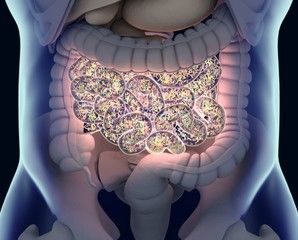
Your Gut Microbiome and Weight Loss: What the Research Actually Shows


EllieMD
5 min read
The gut microbiome influences metabolism, appetite, and the success of weight loss efforts. Here is what the science shows about the microbiome-obesity connection and what moves the needle.
The gut microbiome has attracted significant scientific attention over the past two decades, and with it a wave of commercial messaging that has often outpaced what the research actually supports. Understanding what is genuinely established about the connection between your gut bacteria and your weight, versus what is hypothesis and marketing, requires separating several layers of evidence.
What the Microbiome Is and Why It Matters Metabolically
The gut microbiome consists of approximately 38 trillion microorganisms, primarily bacteria, that inhabit the gastrointestinal tract. This is roughly equivalent to the number of human cells in the entire body, making the microbiome a genuinely substantial biological system rather than a collection of passenger organisms.
The metabolic functions of the microbiome are extensive. Gut bacteria ferment dietary fiber into short-chain fatty acids (SCFAs), particularly butyrate, propionate, and acetate, which have direct effects on energy metabolism, insulin sensitivity, and appetite regulation. Butyrate is the primary fuel source for colonocytes, the cells lining the colon, and plays a significant role in maintaining gut barrier integrity.
The microbiome synthesizes certain vitamins, including vitamin K and several B vitamins. It processes bile acids in ways that affect fat digestion and metabolism. It produces neurotransmitters and neuroactive compounds including serotonin precursors and GABA. And it communicates with the brain through the vagus nerve, immune cells, and the bloodstream, influencing mood, cognition, and satiety signaling.
The Microbiome and Obesity: What Is Established
The association between microbiome composition and obesity is well established. Landmark studies, including research transplanting gut bacteria from obese mice into germ-free mice, demonstrated that the obese-associated microbiome contributed causally to fat gain in the recipients. Human research has found consistent differences in microbiome composition between people with obesity and lean individuals, with obese individuals tending to have lower diversity and different relative abundances of key bacterial groups.
The specific bacterial ratios most studied involve Firmicutes and Bacteroidetes, two major bacterial phyla. A higher ratio of Firmicutes to Bacteroidetes was proposed as an obesity marker in early research, though subsequent studies found the relationship more complex than initially characterized.
What is better established is that the microbiome of people with obesity shows altered SCFA production, reduced production of butyrate in particular, reduced microbial diversity, and altered bile acid metabolism. Each of these changes has downstream metabolic consequences that can contribute to weight gain and impaired weight loss.
How GLP-1 Therapy Interacts with the Microbiome
GLP-1 medications alter gut motility, gastric emptying, and the speed at which food moves through the intestinal tract. These changes in the gut environment affect the microbiome, though the nature and clinical significance of these effects are still being characterized.
Early research suggests that GLP-1 therapy may produce favorable shifts in microbiome composition, increasing certain bacteria associated with metabolic health and reducing others associated with inflammation. A study in Gut Microbes found changes in microbiome composition in patients treated with GLP-1 receptor agonists that correlated with metabolic improvements, though whether the microbiome changes contributed to the metabolic outcomes or simply reflected them is not yet established.
The reduced food volume and often altered dietary composition that accompanies GLP-1 therapy has its own microbiome effects, since the gut bacteria are fed by what you eat. Patients who eat more fiber-rich foods during their GLP-1 program, even within a reduced caloric intake, tend to support microbial diversity better than those whose reduced appetite defaults to lower-fiber options.
What Actually Shifts the Microbiome in a Positive Direction
The research on microbiome modification is most definitive for dietary fiber. Fermentable fiber, found in vegetables, legumes, whole grains, and fruit, is the primary fuel source for beneficial gut bacteria including the butyrate producers. Increasing dietary fiber consistently increases microbial diversity and butyrate production in controlled studies.
Physical exercise has also been shown to improve microbiome diversity and shift composition toward patterns associated with metabolic health, independently of diet. The mechanism appears to involve exercise-induced changes in intestinal motility and immune modulation.
Probiotic supplements have shown effects in some research but the literature is complicated by the enormous variability in bacterial strains, doses, and study populations. High-quality probiotics with well-characterized strains have shown modest but real effects in specific contexts. A daily probiotic is unlikely to harm and may provide benefit, but it is not a shortcut around the dietary factors that are the primary determinants of microbiome health.
The honest summary is that your microbiome is real, its effects on metabolism are real, and the best interventions for it are also the best interventions for general health: dietary variety, fiber, physical activity, and avoidance of unnecessary antibiotics that disrupt bacterial populations without rebuilding them.
Learn more at the EllieMD YouTube Channel.
Individual results may vary. All prescriptions require approval by a licensed medical provider. Compounded medications are not FDA-approved. EllieMD facilitates access to independent healthcare providers and pharmacies and does not provide medical care or dispense medications.
Related Articles
NAD+ Oral Drops with GLP-1: What the Combined Formulation Is Designed to Do
EllieMD

GLP-1 and Joint Pain: The Connection Between Weight, Inflammation, and Chronic Pain
EllieMD
What Prediabetes Actually Means and Why GLP-1 Therapy Is Relevant
EllieMD

GLP-1 Side Effects: What to Expect and How to Manage Them
EllieMD

GLP-1 and Testosterone: What Men Need to Know About the Hormonal Connection
EllieMD

How Does GLP-1 Work in the Body? A Plain-Language Explanation
EllieMD
Get the latest updates and exclusive offers by subscribing to our newsletter.
© 2026 EllieMD LLC. All rights reserved.
