


GLP-1 and Testosterone: What Men Need to Know About the Hormonal Connection


EllieMD
5 min read
Weight loss from GLP-1 therapy consistently improves testosterone levels in men. Here is the mechanism, what the research shows, and why this matters beyond sexual health.
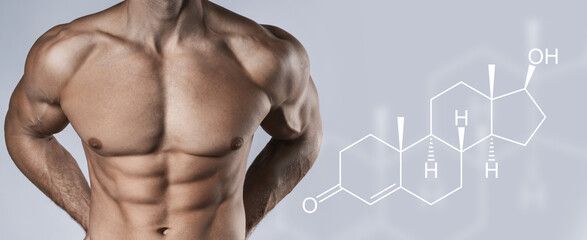
The connection between obesity and low testosterone in men is one of the more clinically significant but least discussed dimensions of metabolic health. Many men who present with symptoms of low testosterone, including fatigue, reduced libido, difficulty building muscle, and mood changes, are also carrying excess weight. And the weight is not incidental to the testosterone problem. It is a primary driver of it.
GLP-1 therapy's consistent improvement in testosterone levels in men with obesity is one of the more meaningful hormonal benefits of the program, and it is worth understanding on its own terms rather than treating it as a minor side note.
Why Obesity Lowers Testosterone
Fat tissue, particularly visceral fat, contains significant concentrations of an enzyme called aromatase. Aromatase converts testosterone and other androgens into estrogens. In men with obesity, excess aromatase activity in visceral fat tissue converts a meaningful proportion of circulating testosterone into estrogen, reducing total and free testosterone levels.
The hormonal consequences of this conversion are compounded by a feedback loop. As testosterone falls, the hypothalamus detects the lower levels and increases gonadotropin-releasing hormone output to try to stimulate more testosterone production from the testes. But simultaneously, elevated estrogen from aromatization exerts negative feedback on this hypothalamic-pituitary-gonadal axis, signaling that sex steroids are adequate even when testosterone specifically is low. The result is a blunted pituitary response that fails to fully compensate for the aromatase-driven testosterone conversion.
Insulin resistance, which accompanies obesity, adds another mechanism. Insulin resistance reduces the production of sex hormone binding globulin (SHBG), the protein that carries testosterone in the blood. Lower SHBG initially might seem like it would increase free testosterone availability, but the combination with reduced total testosterone produces a net reduction in bioavailable testosterone that drives the clinical symptoms men describe.
What Happens to Testosterone During GLP-1 Therapy
Multiple studies examining testosterone levels before and after significant weight loss in men consistently show meaningful increases in both total and free testosterone. The effect is proportional to the degree of weight loss and the reduction in visceral fat specifically.
A systematic review and meta-analysis published in Clinical Endocrinology examined testosterone changes following weight loss interventions in men with obesity and found average increases in total testosterone of approximately 2 to 5 nmol/L with significant weight loss, moving many men from the hypogonadal range into normal range without testosterone replacement therapy.
GLP-1 therapy produces these changes through the weight loss and visceral fat reduction mechanisms. As visceral fat decreases, aromatase activity decreases, the testosterone-to-estrogen conversion slows, and the hypothalamic-pituitary-gonadal axis can function more normally. SHBG also tends to normalize with improved insulin sensitivity, further improving testosterone bioavailability.
What This Means Clinically
For men who have been experiencing symptoms of low testosterone and have been considering testosterone replacement therapy, the finding that GLP-1-induced weight loss can normalize testosterone is clinically significant. Testosterone replacement therapy is not without considerations, including effects on fertility, hematocrit, and cardiovascular parameters in some populations. Addressing the root cause, the obesity-driven aromatase excess and insulin resistance, through GLP-1 therapy is a more physiologically sound approach than hormone replacement when it is sufficient to restore normal levels.
Your EllieMD physician can assess testosterone levels as part of a comprehensive metabolic evaluation and track changes through your program. The combination of weight loss and normalized testosterone creates a positive reinforcing cycle: improved testosterone supports muscle protein synthesis and energy, which supports better exercise capacity, which supports further metabolic improvement.
For men whose testosterone remains low after significant weight loss, the possibility of primary hypogonadism independent of obesity should be evaluated, as some men have intrinsic testosterone production issues that weight loss alone will not resolve.
Learn more at the EllieMD YouTube Channel.
Individual results may vary. All prescriptions require approval by a licensed medical provider. Compounded medications are not FDA-approved. EllieMD facilitates access to independent healthcare providers and pharmacies and does not provide medical care or dispense medications.
Related Articles
NAD+ Oral Drops with GLP-1: What the Combined Formulation Is Designed to Do
EllieMD

GLP-1 and Joint Pain: The Connection Between Weight, Inflammation, and Chronic Pain
EllieMD
What Prediabetes Actually Means and Why GLP-1 Therapy Is Relevant
EllieMD

GLP-1 Side Effects: What to Expect and How to Manage Them
EllieMD

How Does GLP-1 Work in the Body? A Plain-Language Explanation
EllieMD

The Science of Appetite: Why Hunger Is Hormonal, Not a Character Flaw
EllieMD
Get the latest updates and exclusive offers by subscribing to our newsletter.
© 2026 EllieMD LLC. All rights reserved.
