



How Does GLP-1 Work in the Body? A Plain-Language Explanation


EllieMD
Curious how GLP-1 works in the body to suppress appetite and drive weight loss? This physician-reviewed guide explains how it works, its effects, and the practical implications.
Glucagon-like peptide-1, known as GLP-1, is a hormone your body produces naturally in the gut after you eat. It plays a central role in regulating blood sugar, controlling appetite, and signaling fullness to your brain. Understanding how GLP-1 works in the body helps explain both why GLP-1 medications are so effective and what makes them categorically different from any weight loss intervention that came before them.
Where GLP-1 Comes From
GLP-1 is produced primarily by L-cells lining the small intestine and colon. When you eat a meal, particularly one containing carbohydrates and fat, these cells release GLP-1 into the bloodstream. The hormone then acts on multiple tissues throughout the body simultaneously.
In healthy people, GLP-1 is released quickly and degraded just as fast. An enzyme called dipeptidyl peptidase-4 (DPP-4) breaks down GLP-1 within just one to two minutes of release. GLP-1 receptor agonist medications, the class that includes GLP-1 and GLP-1/GIP, are designed to resist this degradation. They activate GLP-1 receptors throughout the body for hours to days depending on the formulation, amplifying the natural GLP-1 signal far beyond what food intake produces.
What GLP-1 Does in the Pancreas
The most well-understood role of GLP-1 is its action in the pancreas. When GLP-1 reaches pancreatic beta cells, it stimulates insulin release in response to elevated blood glucose. Critically, this is a glucose-dependent process. GLP-1 does not cause insulin release when blood sugar is normal, which is why GLP-1 medications carry a very low risk of hypoglycemia compared to older diabetes medications that trigger insulin release regardless of glucose levels.
GLP-1 also suppresses glucagon, a hormone that signals the liver to release stored glucose. By reducing glucagon secretion after meals, GLP-1 prevents the liver from adding more glucose to an already elevated post-meal blood sugar.
What GLP-1 Does in the Brain
The appetite-suppressing effects of GLP-1 are mediated primarily through the brain, specifically through GLP-1 receptors in the hypothalamus and brainstem. These brain regions regulate hunger, satiety, and the reward value of food.
When GLP-1 receptors in the hypothalamus are activated, the brain receives a satiety signal that reduces appetite and lowers the overall drive to eat. Patients on GLP-1 therapy consistently describe this as feeling full on less food, losing interest in eating between meals, and a reduction in food noise, meaning the constant mental preoccupation with food that many people with obesity describe.
GLP-1 also acts on the brain's reward circuitry, reducing the dopamine-driven desire for highly palatable foods like sugar and fat. This may explain why patients often report not just eating less, but genuinely not wanting the foods they previously craved.
What GLP-1 Does in the Stomach
GLP-1 slows gastric emptying, meaning food moves more slowly from the stomach into the small intestine. This prolongs the physical sensation of fullness after eating and blunts the rapid blood sugar spike that follows fast gastric emptying of carbohydrate-rich foods.
Slowed gastric emptying is also responsible for the most common GLP-1 side effects. When food sits in the stomach longer than usual, nausea can result. This is why side effects tend to be most pronounced at higher doses and during dose escalation, when the gastric emptying effect is strongest.
What GLP-1 Does in the Heart and Blood Vessels
GLP-1 receptors are also present in cardiac tissue. In people with established cardiovascular disease, GLP-1 receptor agonists have demonstrated meaningful reductions in major cardiovascular events. The SELECT trial published in 2023 showed that GLP-1 reduced cardiovascular events by 20 percent in adults with obesity who did not have diabetes. The cardiovascular benefits appear to be partly independent of weight loss, suggesting direct cardioprotective effects at the level of the heart and blood vessels.
The Difference Between Natural GLP-1 and GLP-1 Medications
Natural GLP-1 is released in small pulses after meals and lasts only minutes before degradation. GLP-1 receptor agonist medications are structurally modified to resist degradation, giving them half-lives ranging from hours to approximately one week with GLP-1. This prolonged activity is what makes weekly injections effective, and it also produces a sustained appetite suppression that natural GLP-1 does not deliver consistently.
Why This Mechanism Matters for Treatment
Understanding how GLP-1 works helps explain several practical realities. The appetite suppression is not willpower substitution. It is a hormonal signal that directly changes what your brain wants to eat. The blood sugar effects are glucose-dependent, making GLP-1 medications safer than older diabetes drugs. And the side effects are predictable consequences of the same gastric slowing that produces satiety.
This mechanistic understanding also explains why stopping GLP-1 therapy typically leads to weight regain. The hormonal signal that suppresses appetite disappears when the medication leaves the body. Obesity is a chronic metabolic condition, and GLP-1 therapy treats it accordingly.
Learn more at the EllieMD YouTube Channel.
Individual results may vary. All prescriptions require approval by a licensed medical provider. Compounded medications are not FDA-approved. EllieMD facilitates access to independent healthcare providers and pharmacies and does not provide medical care or dispense medications.
Related Articles
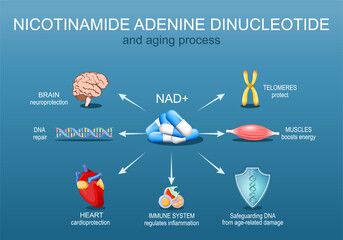
NAD+ Oral Drops with GLP-1: What the Combined Formulation Is Designed to Do
EllieMD

GLP-1 and Joint Pain: The Connection Between Weight, Inflammation, and Chronic Pain
EllieMD

GLP-1 Side Effects: What to Expect and How to Manage Them
EllieMD
GLP-1 and Testosterone: What Men Need to Know About the Hormonal Connection
EllieMD

The Science of Appetite: Why Hunger Is Hormonal, Not a Character Flaw
EllieMD

The Real Cost of Untreated Obesity: What Waiting Actually Costs You
EllieMD
Get the latest updates and exclusive offers by subscribing to our newsletter.
© 2026 EllieMD LLC. All rights reserved.
