



What to Do If You Miss a Weekly GLP-1 Dose


EllieMD
5 min read
Missing a weekly GLP-1 injection happens. Here is exactly what to do depending on how much time has passed, what not to do, and how it affects your program.
Missing a weekly GLP-1 injection is one of those situations that feels more alarming than it typically needs to be. It happens for straightforward reasons: travel disrupts routine, a busy week pushes the injection day back, the medication was not stored correctly and cannot be used, or life simply intervened. Understanding what to do when it happens is more useful than anxiety about the fact that it did.
The General Rule for Missed Weekly InjectionsThe standard guidance for missed GLP-1 injections follows a time-based framework. If you missed your scheduled injection and it has been less than five days since the day you were supposed to inject, take the missed dose as soon as you remember and then resume your regular weekly schedule.
If it has been five days or more since your scheduled injection day, skip the missed dose entirely and resume your regular schedule on your next scheduled injection day. Do not take two doses within five days of each other.
This framework applies to the once-weekly injectable GLP-1 formulations. Your pharmacy documentation for your specific product is the authoritative reference. If your formulation has different instructions, those take precedence.
What to Expect After a Missed DoseMissing one weekly injection does not reset your treatment. GLP-1 has a half-life of approximately one week, meaning it stays active in your system for a meaningful period after the last injection. After a single missed dose, plasma levels drop but do not fall to zero, and many patients notice relatively little change in their appetite for the first several days.
By day seven to ten after a missed dose, plasma levels have fallen enough that most patients notice the appetite suppression is reduced and food thoughts return more prominently. This is expected and normalizes when regular dosing resumes.
Missing one dose does not cause meaningful weight regain in most patients. Any scale increase seen after a missed dose is more likely to reflect fluid changes and increased food intake from reduced appetite suppression rather than actual fat regain, which takes more time to accumulate.
What Not to DoDo not double-dose to make up for a missed injection. Taking two doses within a short period amplifies side effects, particularly nausea and gastrointestinal discomfort, without producing proportionally better outcomes. The body's response to a sudden surge in GLP-1 receptor activation from a double dose is more side effects, not faster progress.
Do not adjust your regular injection schedule permanently because of a single missed dose. Resume the regular schedule you have been following and maintain it going forward.
Do not stop taking the medication out of frustration over having missed a dose. One missed dose is a minor interruption in a months-long program, not a reason to abandon treatment.
When to Contact Your EllieMD Care TeamIf you miss a dose because the medication was not stored correctly and may have been compromised, contact your care team before using potentially degraded medication and before your next scheduled injection to arrange a replacement.
If you regularly find that you are missing doses due to the weekly schedule not working for your routine, contact your care team to discuss whether a different injection day or a different formulation format might work better for your lifestyle. Adherence is important enough that adjusting the protocol to make it fit your life better is a legitimate clinical conversation.
If you experience a return of symptoms after a missed dose, such as significant appetite increase that leads to eating in ways that concern you, use this as information for your physician about how much the medication is doing for you and factor it into your long-term treatment planning conversation.
Learn more at the EllieMD YouTube Channel.
Individual results may vary. All prescriptions require approval by a licensed medical provider. Compounded medications are not FDA-approved. EllieMD facilitates access to independent healthcare providers and pharmacies and does not provide medical care or dispense medications.
Related Articles
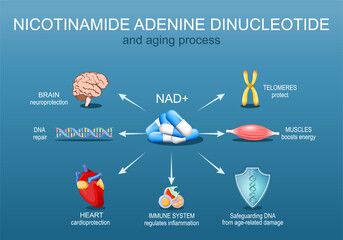
NAD+ Oral Drops with GLP-1: What the Combined Formulation Is Designed to Do
EllieMD
GLP-1 and Joint Pain: The Connection Between Weight, Inflammation, and Chronic Pain
EllieMD
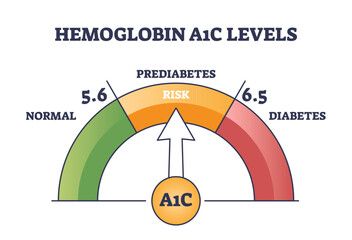
What Prediabetes Actually Means and Why GLP-1 Therapy Is Relevant
EllieMD

GLP-1 Side Effects: What to Expect and How to Manage Them
EllieMD

GLP-1 and Testosterone: What Men Need to Know About the Hormonal Connection
EllieMD
How Does GLP-1 Work in the Body? A Plain-Language Explanation
EllieMD
Get the latest updates and exclusive offers by subscribing to our newsletter.
© 2026 EllieMD LLC. All rights reserved.
