



What Happens in Your Body During the First 30 Days on Semaglutide


EllieMD
The first 30 days on semaglutide involve a predictable sequence of changes in appetite, side effects, and body physiology. Here is what is actually happening and what to expect.
The first month on semaglutide has a fairly predictable shape for most patients, though the intensity of each phase varies considerably between individuals. Knowing what is coming and what it means biologically takes most of the confusion and anxiety out of the early experience.
This is not a guide to what the best-case scenario looks like. It is a realistic account of what most patients actually go through.
Days 1 Through 7: The Body Encounters the Medication
In the first week, most patients notice relatively modest changes. GLP-1 receptor agonists do not produce dramatic immediate effects. The medication is establishing a steady presence in the bloodstream, the receptors are encountering sustained activation for the first time, and the body is beginning to adjust to a changed hormonal environment.
Some patients notice mild appetite changes in the first few days: perhaps feeling full sooner at one meal, or finding that a food they would normally have eaten a lot of loses some of its appeal. These early signals are encouraging but are not fully representative of what the medication will do at therapeutic levels.
Side effects in week one are often limited, because the starting dose is intentionally low. Nausea, if it appears at all, may be mild and brief. The GI system is adapting to slower gastric emptying, and the early tolerance period is when this adaptation begins.
Days 7 Through 14: Appetite Suppression Becomes More Consistent
By the second week, most patients are noticing a more consistent shift in appetite. The background food thoughts that were previously constant are starting to quiet. Portions feel satisfying at smaller amounts. The pull toward snacking between meals diminishes.
The scale may or may not have moved yet. For most patients, week two shows little to no weight change, because the changes in eating behavior have been modest and the body has not yet been in significant caloric deficit for long enough to reflect it in scale weight. This is normal and not a sign the medication is not working.
GI side effects often become more noticeable in the second week as the body's adjustment to slowed gut motility is still in progress. Constipation is common and underreported. Mild nausea may appear more consistently. Knowing that this typically peaks in weeks two through four and then improves significantly helps patients push through rather than stopping.
Days 14 Through 21: Finding the Adjusted Normal
The third week for many patients is when the eating pattern starts to genuinely shift. Meals are smaller without effort. Food decisions feel less fraught. The mental energy that was previously spent managing food-related thoughts is freed up in noticeable ways for patients who were particularly affected by food noise.
If constipation is a concern, this is the week to be most deliberate about water intake and fiber from whole foods. Physical activity helps gut motility more than most patients realize.
Weight loss in week three becomes more noticeable for many patients. A combination of reduced water retention (which often shifts in the first two weeks as carbohydrate and insulin patterns change) and the beginning of genuine fat loss from sustained caloric reduction produces scale changes that feel more meaningful.
Days 21 Through 30: Calibration
The fourth week is often when patients start to feel that the medication is working in the way they expected it to. Appetite is more consistently reduced. Side effects have often begun to ease from their peak. The eating pattern is settling into something sustainable rather than effortful.
It is also when some patients make the mistake of testing the limits of what the medication tolerates. Large meals, high-fat foods, and alcohol in quantities the patient previously managed without issue can produce pronounced discomfort on GLP-1 therapy. The slowed gastric emptying that is producing satiety is also what produces nausea when challenged with volume or fat content.
By the end of the first month, most patients have a workable understanding of how their body is responding. This is the right time for an early check-in with your EllieMD care team to discuss how the first weeks have gone and whether any adjustments to the protocol are warranted before you continue into month two.
Individual results may vary. All prescriptions require approval by a licensed medical provider. Compounded medications are not FDA-approved. EllieMD facilitates access to independent healthcare providers and pharmacies and does not provide medical care or dispense medications.
Related Articles
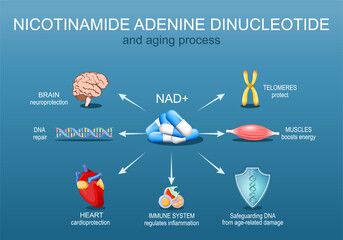
NAD+ Oral Drops with GLP-1: What the Combined Formulation Is Designed to Do
EllieMD

GLP-1 and Joint Pain: The Connection Between Weight, Inflammation, and Chronic Pain
EllieMD

GLP-1 Side Effects: What to Expect and How to Manage Them
EllieMD

GLP-1 and Testosterone: What Men Need to Know About the Hormonal Connection
EllieMD

How Does GLP-1 Work in the Body? A Plain-Language Explanation
EllieMD

The Science of Appetite: Why Hunger Is Hormonal, Not a Character Flaw
EllieMD
Get the latest updates and exclusive offers by subscribing to our newsletter.
© 2026 EllieMD LLC. All rights reserved.
