


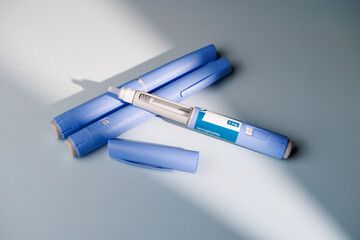
The Complete Guide to GLP-1 Microdosing for Weight Loss


EllieMD
GLP-1 microdosing has quietly become one of the most talked-about approaches in weight loss medicine. While most coverage focuses on standard-dose GLP-1 programs, a growing number of physicians and patients are exploring what happens when you use smaller, more frequent doses instead. The results have been promising enough to warrant a serious look.
This guide breaks down exactly what GLP-1 microdosing is, why some people are choosing it over conventional dosing, what the science currently supports, and how EllieMD's physician-managed microdosing program works. If you've been curious about GLP-1 therapy but concerned about side effects or the idea of ramping up to high doses, this is worth reading carefully.
What Is GLP-1 Microdosing?GLP-1 stands for glucagon-like peptide-1, a hormone your gut releases naturally after eating. It signals your brain that you're full, slows gastric emptying, and helps regulate blood sugar. GLP-1 receptor agonists like GLP-1 and GLP-1/GIP are synthetic versions of this hormone, designed to stay active in your body far longer than the version your body produces.
Standard GLP-1 dosing protocols typically start patients at a lower dose and titrate up over weeks or months to a therapeutic target, often 1mg, 2.4mg, or higher depending on the medication. The idea is that higher doses produce greater appetite suppression and more substantial weight loss.
GLP-1 microdosing takes a different approach. Rather than escalating to the highest tolerated dose, patients stay at smaller doses, often a fraction of standard therapeutic levels, taken on a schedule designed to maintain steady GLP-1 receptor stimulation without the peaks that tend to cause nausea, vomiting, and fatigue.
The core hypothesis is that a significant portion of the appetite-regulating and metabolic benefits of GLP-1 agonists can be captured at lower doses, while most of the uncomfortable side effects are concentrated at the higher end of the dosing range.
Why Standard Doses Cause So Many Side EffectsTo understand why microdosing appeals to so many people, it helps to understand why standard GLP-1 doses cause gastrointestinal problems in the first place.
GLP-1 receptors are found throughout your body, including in your gut, brain, heart, pancreas, and kidneys. When you activate them with a synthetic agonist, you get the desired effects, including reduced appetite and improved insulin response, but you also trigger a pronounced slowdown in gut motility. At higher doses, this can mean significant nausea, delayed gastric emptying severe enough to interfere with eating, and in some cases vomiting that makes the medication difficult to continue.
Studies from the STEP clinical trial program found that nausea occurred in roughly 44% of patients on GLP-1 2.4mg, compared to about 16% of those on placebo. Vomiting affected approximately 24% of patients at the higher dose. These aren't minor inconveniences for everyone; for a meaningful subset of people, they're enough to stop treatment.
Microdosing attempts to stay in a dosing range where the appetite and metabolic effects are real, but the GI effects remain manageable or absent.
What the Evidence ShowsIt's worth being honest here. There are no large-scale randomized controlled trials specifically designed around GLP-1 microdosing as a formal protocol. The existing evidence base draws from a few different places.
First, dose-response data from the STEP trials shows that patients at lower doses did experience meaningful weight loss, though less than those at the highest doses. Patients on GLP-1 0.5mg in earlier obesity studies still lost an average of 6 to 8 percent of body weight over 68 weeks, compared to roughly 15 percent at higher doses. That's a real, clinically meaningful outcome at a fraction of the standard dose.
Second, a 2021 study published in Obesity Reviews analyzed dose-response relationships across multiple GLP-1 receptor agonist trials and found that the appetite-suppressing effects plateau at lower doses than the GI side effects, supporting the theoretical basis for lower-dose approaches.
Third, clinical observation from physicians using lower-dose protocols has produced a consistent pattern: patients who couldn't tolerate standard doses often find that smaller, consistent doses are manageable and produce steady, if slower, weight loss over time.
What microdosing trades in maximum weight loss, it tends to give back in tolerability and adherence. And adherence matters enormously with any long-term treatment.
Who Is GLP-1 Microdosing Right For?Not everyone is a good candidate for a microdosing approach, and a physician consultation is essential before deciding. That said, certain patient profiles tend to benefit most.
People who have tried standard GLP-1 doses and struggled with side effects. If you started a standard program and found the nausea intolerable, microdosing offers a way to stay on therapy at a level your body can handle.
People who want modest, sustainable weight loss rather than rapid loss. Aggressive caloric restriction and high-dose GLP-1 therapy can produce rapid weight loss, but also muscle loss, nutritional deficiencies, and significant lifestyle disruption. A microdose approach paired with solid nutrition tends to produce more gradual loss that's easier to maintain.
People with a history of GI sensitivity. If you have irritable bowel syndrome, gastroparesis, or a tendency toward nausea with medications generally, the lower-dose route is a more conservative starting point.
People in a weight maintenance phase. Some patients who've reached their goal weight use periodic or ongoing low-dose GLP-1 therapy as a maintenance tool, keeping appetite regulation intact without aggressive dosing.
People who aren't candidates for high-dose therapy for other medical reasons. A physician evaluation will clarify this.
How EllieMD's GLP-1 Microdosing Program WorksEllieMD's microdosing program is built around physician oversight from start to finish. The process starts with a medical consultation where one of our licensed physicians reviews your health history, current medications, goals, and any previous experience with GLP-1 therapy.
From there, your physician designs a dosing schedule specific to you. This isn't a one-size protocol; the dose, frequency, and formulation are tailored based on your individual response, goals, and any side effects you report along the way.
Medications are compounded by licensed pharmacies and shipped directly to you. Your care team stays accessible throughout, monitoring your progress and adjusting your plan as needed.
One distinction worth noting: EllieMD's program also incorporates community support, which research from Northwestern University suggests can improve weight loss outcomes significantly compared to solo treatment approaches. That community layer isn't just a nice feature; it's part of what makes adherence more sustainable. Learn more about our weight loss program and how the full approach works together.
GLP-1 Microdosing vs. Standard Dose: A Practical ComparisonPeople often want a direct comparison before deciding. Here's an honest breakdown.
Standard dosing generally produces faster, more pronounced weight loss. If your goal is to lose a significant percentage of body weight in 12 to 18 months and you tolerate the medication well, a conventional titration protocol is likely the more efficient path.
Microdosing generally produces slower, steadier weight loss with a substantially better side effect profile. If you've struggled with GLP-1 side effects, have a more modest weight loss goal, or simply want a gentler approach, it's a legitimate clinical alternative, not a watered-down version.
The answer isn't which approach is objectively better; it's which one you'll actually stick with. A lower-dose program you maintain for 18 months will almost always outperform a higher-dose program you stop after three.
You can read a more detailed breakdown in our article on GLP-1 microdosing vs. standard dose protocols.
Nutrition and Lifestyle Alongside MicrodosingGLP-1 therapy, at any dose, works best alongside real lifestyle changes. Microdosing tends to suppress appetite more gently, which means your dietary choices carry slightly more weight than they would on a high-dose protocol.
A few principles that work well alongside a microdosing program:
Protein intake matters more than most people expect. GLP-1 medications reduce appetite broadly, and without deliberate attention, patients can under-consume protein and lose lean muscle mass along with fat. Your physician or a registered dietitian can advise on the right protein intake for your body size and goals, but paying deliberate attention to it matters. EllieMD's protein supplementation options are designed with this specifically in mind.
Resistance training is a meaningful complement. Building or maintaining muscle tissue while losing fat produces far better body composition outcomes than weight loss alone.
Sleep and stress management affect GLP-1 sensitivity. Chronic poor sleep elevates ghrelin (the hunger hormone) in ways that can partially counteract GLP-1 therapy, making adequate sleep genuinely important, not just advice worth ignoring.
What to Expect in the First 30 to 90 DaysThe first weeks on a microdosing protocol tend to feel different from starting a standard GLP-1 program. Appetite changes are usually subtle at first. You may notice you feel full sooner at meals, or that cravings you'd considered permanent are simply quieter. For some people, this happens within the first week; for others it takes two to three weeks.
Most patients on a microdosing protocol don't experience the sharp nausea that often comes with initial standard doses. Some mild GI adjustment in the first week or two is possible but typically resolves.
Weight loss in the first month is usually modest, often one to three pounds depending on dietary changes and activity. This is expected and not a sign the medication isn't working. The cumulative effect over several months is where microdosing shows its value.
By months three to six, most patients on a consistent program have lost five to ten percent of body weight, with steady progress continuing provided they stay on the protocol.
Learn more at the EllieMD YouTube Channel.
Individual results may vary. All prescriptions require approval by a licensed medical provider. Compounded medications are not FDA-approved. EllieMD facilitates access to independent healthcare providers and pharmacies and does not provide medical care or dispense medications.
Related Articles
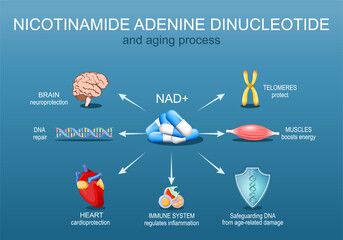
NAD+ Oral Drops with GLP-1: What the Combined Formulation Is Designed to Do
EllieMD

GLP-1 and Joint Pain: The Connection Between Weight, Inflammation, and Chronic Pain
EllieMD
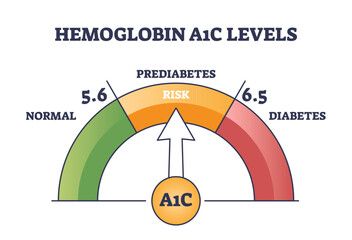
What Prediabetes Actually Means and Why GLP-1 Therapy Is Relevant
EllieMD

GLP-1 Side Effects: What to Expect and How to Manage Them
EllieMD

GLP-1 and Testosterone: What Men Need to Know About the Hormonal Connection
EllieMD
How Does GLP-1 Work in the Body? A Plain-Language Explanation
EllieMD
Get the latest updates and exclusive offers by subscribing to our newsletter.
© 2026 EllieMD LLC. All rights reserved.
