


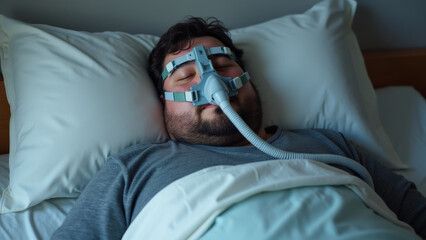
Sleep Apnea and Weight Loss: How GLP-1 Therapy Changes Your Airway


EllieMD
Obstructive sleep apnea and obesity are deeply connected. Here is what happens to sleep apnea during significant GLP-1-induced weight loss and what the research shows about resolution rates.
Obstructive sleep apnea affects roughly 30 million Americans, and the majority of cases are associated with excess body weight. The anatomical connection is direct: fat deposits in the neck, tongue, and pharyngeal tissue narrow the upper airway, and when sleep relaxes the airway muscles that normally maintain patency, the narrowed passage collapses, stopping breathing repeatedly through the night.
GLP-1 therapy's impact on sleep apnea is one of the more dramatic and life-changing benefits that some patients experience, and it is underappreciated in standard weight loss program discussions.
The Anatomy of Obesity-Related Sleep Apnea
The upper airway is a collapsible tube supported by muscles that relax during sleep. In people without excess upper airway fat, the baseline diameter of this tube is wide enough that normal muscle relaxation during sleep does not cause collapse. In people with significant fat deposits around the pharynx, tongue, and neck, the resting tube diameter is narrowed enough that normal sleep relaxation produces partial or complete obstruction.
Each obstruction causes a partial arousal as the brain detects the oxygen drop and commands the airway to open. These arousals are typically too brief to produce full waking, but they prevent the deeper sleep stages that are necessary for physical restoration, hormonal regulation including growth hormone release, and the glymphatic brain waste clearance discussed in the sleep and longevity article.
The health consequences of untreated sleep apnea extend well beyond daytime fatigue. Chronic sleep apnea elevates blood pressure through repeated overnight sympathetic nervous system surges. It promotes cardiac arrhythmias including atrial fibrillation. It impairs glucose metabolism and worsens insulin resistance. It accelerates cognitive aging through chronic sleep fragmentation and the oxygen drops that accompany each apneic episode.
The SURMOUNT-OSA Trial
The connection between GLP-1 therapy and sleep apnea improvement moved from clinical observation to formal evidence with the SURMOUNT-OSA trial, published in the New England Journal of Medicine in 2024. This randomized controlled trial examined GLP-1/GIP specifically in patients with obesity and moderate-to-severe obstructive sleep apnea.
The results were striking. Patients on GLP-1/GIP experienced an average reduction in apnea-hypopnea index (AHI, the standard measure of sleep apnea severity) of approximately 25 events per hour, representing roughly a 60 percent reduction in sleep apnea severity. A significant proportion of patients achieved complete resolution of their sleep apnea or reduction to mild severity that no longer met diagnostic criteria.
Similarly meaningful results have been observed in GLP-1-treated patients in observational data and in the broader weight loss literature. The mechanism is primarily anatomical: as neck and pharyngeal fat reduces, the upper airway widens, and the muscle relaxation of sleep no longer produces complete obstruction.
What This Means for CPAP Users
Many patients with obesity-related sleep apnea use CPAP (continuous positive airway pressure) therapy, a device that delivers pressurized air through a mask to mechanically hold the airway open during sleep. CPAP is effective at eliminating apneic events in patients who use it consistently, but adherence is challenging. Many patients find the mask uncomfortable, the device difficult to travel with, and the nightly setup burdensome.
GLP-1 therapy, for patients whose sleep apnea is weight-related, offers the possibility of reducing or eliminating dependence on CPAP through treating the anatomical cause rather than mechanically managing its effects.
This transition needs to be managed medically rather than self-directed. A repeat sleep study after significant weight loss determines current sleep apnea severity and whether CPAP settings need adjustment, whether CPAP can be discontinued, or whether some sleep apnea persists that requires ongoing management. Stopping CPAP before this evaluation, even if you feel you are sleeping better, risks leaving residual sleep apnea untreated.
The Sleep Quality Feedback Loop
The improvement in sleep quality that accompanies sleep apnea resolution during GLP-1-induced weight loss creates a reinforcing positive effect on the weight loss program itself. Better sleep reduces cortisol, improves insulin sensitivity, restores growth hormone secretion during deep sleep, and reduces the appetite-elevating effect of sleep deprivation. Patients who resolve obesity-related sleep apnea during GLP-1 treatment often find that the last quarter of their weight loss journey feels meaningfully easier than the first, partly because the metabolic environment has been improved by better sleep.
Learn more at the EllieMD YouTube Channel.
Individual results may vary. All prescriptions require approval by a licensed medical provider. Compounded medications are not FDA-approved. EllieMD facilitates access to independent healthcare providers and pharmacies and does not provide medical care or dispense medications.
Related Articles
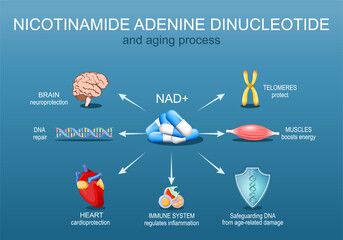
NAD+ Oral Drops with GLP-1: What the Combined Formulation Is Designed to Do
EllieMD
GLP-1 and Joint Pain: The Connection Between Weight, Inflammation, and Chronic Pain
EllieMD
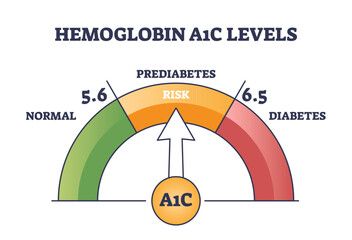
What Prediabetes Actually Means and Why GLP-1 Therapy Is Relevant
EllieMD

GLP-1 Side Effects: What to Expect and How to Manage Them
EllieMD

GLP-1 and Testosterone: What Men Need to Know About the Hormonal Connection
EllieMD
How Does GLP-1 Work in the Body? A Plain-Language Explanation
EllieMD
Get the latest updates and exclusive offers by subscribing to our newsletter.
© 2026 EllieMD LLC. All rights reserved.
