



Ozempic vs. Wegovy vs. Semaglutide: What the Brand Name Confusion Actually Means


EllieMD
Ozempic, Wegovy, and semaglutide are not three different drugs. Here is a plain-language explanation of what each name refers to, why the confusion exists, and what it means for your treatment.
Semaglutide is one of the most searched terms in health right now, and Ozempic might be even more so. Wegovy is in the mix too, along with compounded semaglutide, generic semaglutide, and a dozen other variations that circulate in news articles and social media posts. The result for many patients is genuine confusion about whether these are the same drug, different drugs, or something else entirely.
The answer is straightforward once the pharmaceutical naming conventions are explained.
What Semaglutide Is
Semaglutide is the name of the active pharmaceutical ingredient. It is a GLP-1 receptor agonist, a synthetic peptide that activates the same receptors as the gut hormone GLP-1. The molecule itself, the specific amino acid sequence and chemical structure that produces the biological effects, is semaglutide regardless of what brand name appears on the package.
Novo Nordisk, the Danish pharmaceutical company that developed semaglutide, holds the patents on the original molecule and manufactures it under two brand names approved by the FDA.
Ozempic: The Diabetes Formulation
Ozempic is a brand name for semaglutide in doses approved by the FDA for the treatment of type 2 diabetes. It comes in a prefilled pen in doses of 0.5mg, 1mg, and 2mg, administered by weekly injection. Ozempic was approved in 2017 for type 2 diabetes management.
Because Ozempic was available earlier than Wegovy and became widely prescribed for diabetes, it became the name most associated publicly with semaglutide. When celebrities and news coverage began discussing GLP-1 medications for weight loss, Ozempic was the name that stuck in public awareness, even when the weight loss application technically refers to Wegovy.
Using Ozempic for weight loss rather than diabetes is considered off-label use. Many physicians did and still do prescribe it this way, particularly given the supply constraints on Wegovy that have existed at various points. Off-label prescribing is legal and common in medicine, but Ozempic is not formally FDA-approved for obesity management.
Wegovy: The Weight Management Formulation
Wegovy is a brand name for semaglutide at the higher 2.4mg weekly dose specifically approved by the FDA for chronic weight management in adults with obesity or overweight with a related health condition. It was approved in 2021.
The active ingredient, semaglutide, is identical to what is in Ozempic. What is different is the approved dose, the regulatory indication, the prefilled pen design, and the price. Wegovy is typically priced slightly differently from Ozempic, and insurance coverage for the two can differ significantly based on the diagnosis code used for the prescription.
The higher 2.4mg dose used in Wegovy is what produced the 15 percent average weight loss seen in the STEP 1 trial. Lower doses produce meaningful but less pronounced weight loss on average.
Rybelsus: The Oral Formulation
Rybelsus is a third brand name for semaglutide, specifically the oral tablet form approved for type 2 diabetes. Unlike Ozempic and Wegovy which are injectable, Rybelsus is taken daily by mouth. It requires specific administration conditions, including taking it on an empty stomach with no more than four ounces of water and waiting 30 minutes before eating or drinking anything else.
The bioavailability of oral Rybelsus is significantly lower than injectable semaglutide, which is why the clinical trial data for weight loss produced with oral semaglutide shows more modest results than the injectable STEP trial data.
Compounded Semaglutide: The Same Molecule, Different Source
Compounded semaglutide, which is what EllieMD's weight loss program uses, contains the same active ingredient, semaglutide, but is produced by licensed compounding pharmacies rather than Novo Nordisk. It is not a brand-name product and does not carry the Ozempic or Wegovy labels.
The cost difference between brand-name and compounded semaglutide is substantial. Brand-name Wegovy or Ozempic without insurance can cost $900 to $1,400 per month. Compounded semaglutide through telehealth platforms typically costs $150 to $400 per month.
The active molecule is the same. The manufacturing source, quality oversight framework, and cost are different. The regulatory basis for compounding has been tied to FDA shortage designations, which have changed over time and warrant attention for patients using compounded versions.
Why This Matters Practically
When you read a news article about Ozempic producing dramatic weight loss, the results it describes came from the higher-dose Wegovy trials. When you see celebrity commentary about using Ozempic for weight loss, they are using the diabetes-indicated formulation for an off-label purpose or referring to semaglutide generally.
When you are on EllieMD's program using compounded semaglutide, you are using the same active ingredient, at doses your physician has determined are appropriate for your situation, from a licensed compounding pharmacy rather than a brand-name manufacturer.
The pharmacological effects, side effects, and clinical considerations are the same across all of these products because the active ingredient is the same. The differences are regulatory, commercial, and manufacturing in nature, not biological.
Individual results may vary. All prescriptions require approval by a licensed medical provider. Compounded medications are not FDA-approved. EllieMD facilitates access to independent healthcare providers and pharmacies and does not provide medical care or dispense medications.
Related Articles
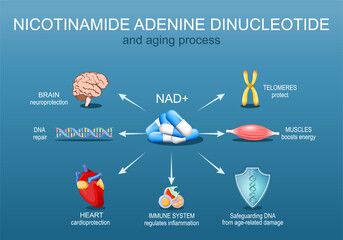
NAD+ Oral Drops with GLP-1: What the Combined Formulation Is Designed to Do
EllieMD

GLP-1 and Joint Pain: The Connection Between Weight, Inflammation, and Chronic Pain
EllieMD

GLP-1 Side Effects: What to Expect and How to Manage Them
EllieMD

GLP-1 and Testosterone: What Men Need to Know About the Hormonal Connection
EllieMD

How Does GLP-1 Work in the Body? A Plain-Language Explanation
EllieMD

The Science of Appetite: Why Hunger Is Hormonal, Not a Character Flaw
EllieMD
Get the latest updates and exclusive offers by subscribing to our newsletter.
© 2026 EllieMD LLC. All rights reserved.
