



Longevity Medicine for Women in Perimenopause: What Changes and What Helps


EllieMD
5 min read
Perimenopause changes the metabolic, hormonal, and inflammatory picture in ways that make targeted longevity interventions more relevant than ever. Here is what the transition means biologically and what helps.
Perimenopause is the transition period leading up to the final menstrual period, typically beginning in the mid-40s and lasting anywhere from four to ten years. It is a time of significant hormonal flux, and the changes it produces extend far beyond hot flashes and sleep disruption. The metabolic, inflammatory, and body composition changes of the perimenopausal period represent a meaningful shift in biological aging rate that makes this one of the most important windows for proactive longevity intervention.
What Perimenopause Does to Metabolism
Estrogen plays a significant regulatory role in metabolism that is not always appreciated until it begins to decline. Estrogen supports insulin sensitivity, promotes fat distribution toward the periphery (hips and thighs) rather than the central visceral depot, supports mitochondrial function in multiple tissue types, and has anti-inflammatory effects throughout the body.
As estrogen levels fluctuate and decline through perimenopause, several metabolic changes occur concurrently. Insulin sensitivity decreases, making blood sugar regulation less efficient. Fat distribution shifts centrally, with visceral fat accumulation occurring even without changes in diet or activity. Mitochondrial efficiency in muscle and other metabolic tissues decreases. And systemic inflammation tends to rise.
Research has documented that the rate of biological aging, as measured by epigenetic clock analyses, accelerates during the menopausal transition. A study published in Menopause showed that epigenetic aging in women increases at a higher rate during the perimenopausal and early postmenopausal period than in the years preceding it. This acceleration is real and reflects the loss of estrogen's broad regulatory roles.
Why Standard Advice Is Not Enough
Women in perimenopause are often told to exercise more and eat less, as if the metabolic changes of the transition were simply a matter of caloric balance. This advice is inadequate because the underlying problem is not primarily behavioral. It is hormonal and metabolic. The same caloric intake and exercise regimen that maintained weight and health in the 30s may genuinely not be sufficient in the context of perimenopausal metabolic changes.
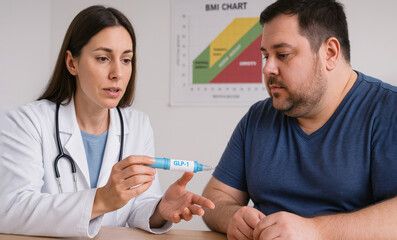
This is why GLP-1 therapy is particularly relevant for perimenopausal women who are experiencing new weight accumulation, metabolic changes, or difficulty maintaining the results they achieved previously with lifestyle approaches. The medication addresses the insulin resistance and metabolic recalibration that perimenopause drives, not just the caloric balance.
How EllieMD's Programs Address the Perimenopausal Picture
Several of EllieMD's programs are directly relevant to the perimenopausal health picture.
GLP-1 therapy addresses the insulin resistance, visceral fat accumulation, and metabolic dysregulation that perimenopause drives. The cardiovascular protection documented in the SELECT trial is also relevant for women entering the higher cardiovascular risk period of the post-reproductive years.
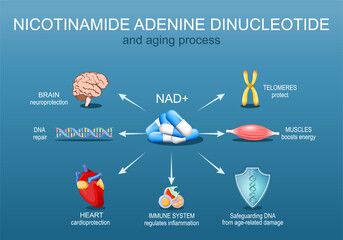
NAD+ support addresses the mitochondrial efficiency decline that estrogen loss contributes to. The energy changes that many perimenopausal women describe, including fatigue that is different from simple tiredness, often have a mitochondrial component that NAD+ supplementation targets directly.
Sermorelin may be relevant for women whose growth hormone axis is affected by the broader hormonal shifts of perimenopause, particularly those experiencing significant body composition changes or sleep quality deterioration. Your physician evaluates whether this is appropriate based on your specific clinical picture.
The intersection of these interventions with the perimenopausal biology is worth a detailed physician conversation rather than assuming that the standard weight loss or longevity program framing captures all the relevant considerations. Your EllieMD physician approaches the perimenopausal consultation with this broader hormonal and metabolic picture in mind.
Learn more at the EllieMD YouTube Channel.
Individual results may vary. All prescriptions require approval by a licensed medical provider. Compounded medications are not FDA-approved. EllieMD facilitates access to independent healthcare providers and pharmacies and does not provide medical care or dispense medications.
Related Articles
NAD+ Oral Drops with GLP-1: What the Combined Formulation Is Designed to Do
EllieMD

GLP-1 and Joint Pain: The Connection Between Weight, Inflammation, and Chronic Pain
EllieMD
What Prediabetes Actually Means and Why GLP-1 Therapy Is Relevant
EllieMD

GLP-1 Side Effects: What to Expect and How to Manage Them
EllieMD

GLP-1 and Testosterone: What Men Need to Know About the Hormonal Connection
EllieMD
How Does GLP-1 Work in the Body? A Plain-Language Explanation
EllieMD
Get the latest updates and exclusive offers by subscribing to our newsletter.
© 2026 EllieMD LLC. All rights reserved.
