


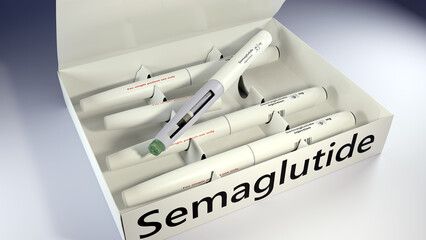
Is Compounded Semaglutide Safe? What the FDA Says in 2026


EllieMD
The question of whether compounded semaglutide is safe deserves a careful, honest answer, not a dismissive one. Compounding has been central to American medicine for more than a century, and the concerns that have emerged in the GLP-1 space are real and worth understanding. So is the clinical reality for the many patients who have safely used compounded versions of this medication.
Here's what you actually need to know.
What Compounded Semaglutide IsWhen people refer to "compounded semaglutide," they mean semaglutide that has been prepared by a licensed compounding pharmacy rather than manufactured by a brand-name drug company like Novo Nordisk.
The active ingredient, semaglutide, is the same. What changes is the source, the formulation process, and who oversees quality control. Brand-name manufacturers operate under FDA oversight and go through pre-market approval. Compounding pharmacies operate under a different regulatory framework, though significant oversight still exists.
Compounding is legal and common in US medicine. It's used to create medications in different dosages than are commercially available, to remove allergens like certain dyes or preservatives, or to create formulations a patient can take when the standard form isn't tolerated. The GLP-1 shortage that began in 2022 created the specific conditions that made compounded semaglutide widely available: FDA shortage designations allow compounding pharmacies to prepare copies of drugs in shortage under specific conditions.
The FDA's Position in 2026The FDA's position on compounded semaglutide has evolved as brand-name supply has improved and shortage designations have changed.
In early 2024, the FDA flagged concerns about compounded semaglutide preparations that included semaglutide sodium or semaglutide acetate, forms of the drug that differ from the base semaglutide used in approved products. The agency stated that it had not evaluated the safety or efficacy of these salt forms and that they are not the same as FDA-approved semaglutide.
Separately, the FDA has warned consumers about unlicensed online pharmacies selling semaglutide without valid prescriptions, which is a distinct issue from licensed compounding pharmacies operating legally.
Patients evaluating compounded semaglutide should understand the distinction between:
503A compounding pharmacies that prepare medications based on individual patient prescriptions from licensed prescribers. These operate under state pharmacy board oversight.
503B outsourcing facilities that operate under tighter federal oversight and are registered with the FDA, allowing bulk production while still meeting stricter quality standards.
Both can legally produce compounded semaglutide when shortage conditions are met. 503B facilities generally face more rigorous federal quality standards.
Quality Differences Between PharmaciesThis is where the safety question becomes most practically important. Not all compounding pharmacies are equivalent.
A licensed 503A pharmacy operating in good standing uses pharmaceutical-grade active ingredients sourced from FDA-registered suppliers. Testing for potency and sterility is required, though the testing standards are less stringent than for brand-name manufacturers.
A disreputable operation, or a gray-market supplier masquerading as a pharmacy, may not follow any of these standards. The FDA's warning letters and enforcement actions in this space have focused primarily on operations like this, not on legitimate licensed compounding pharmacies.
The risk isn't inherent to compounding itself. The risk comes from choosing sources that cut corners.
What EllieMD Does DifferentlyEllieMD works exclusively with licensed, vetted compounding pharmacies that meet our medical team's quality standards. All prescriptions are issued by licensed physicians after a proper medical consultation, not generated automatically based on a questionnaire.
Our pharmacies use semaglutide base (not salt forms), sourced from FDA-registered suppliers. Medications are tested for potency and sterility before dispensing. Everything is shipped in tamper-evident, properly labeled packaging.
The safety of a compounded medication is substantially determined by the quality of the pharmacy and the oversight of the prescriber. Both matter, and both are part of how our program is structured. Learn more about how EllieMD's weight loss program is designed.
What Patients Should Watch ForIf you're considering compounded semaglutide from any source, these are the questions to ask:
Is there a licensed physician consultation before prescribing? A legitimate program requires one. If you can get a prescription without speaking to or being evaluated by a licensed prescriber, walk away.
Which pharmacy is filling the prescription? Ask for the pharmacy's name, state of licensure, and whether they are a 503A or 503B facility. You can verify pharmacy licenses through state pharmacy board websites.
What form of semaglutide does the preparation contain? Semaglutide base is appropriate. If a pharmacy cannot or will not answer this question, that's a significant concern.
What testing does the pharmacy conduct? Reputable pharmacies test for potency and sterility and should be able to provide certificates of analysis on request.
Does the medication come with a prescription label, prescriber information, and dosing instructions? It should.
Known Side Effects to MonitorThe side effect profile of compounded semaglutide from reputable sources is broadly consistent with what the clinical trials showed for brand-name semaglutide. Nausea, constipation, diarrhea, and injection-site reactions are the most common, and tend to be most prominent in the first weeks of treatment.
More serious side effects that warrant immediate medical attention include severe abdominal pain (which could indicate pancreatitis), vision changes, rapid heartbeat, or signs of severe allergic reaction. These are uncommon but important to recognize.
Your EllieMD physician reviews your health history before prescribing, stays accessible throughout your treatment, and is available to address any concerns that come up.
Individual results may vary. All prescriptions require approval by a licensed medical provider. Compounded medications are not FDA-approved. EllieMD facilitates access to independent healthcare providers and pharmacies and does not provide medical care or dispense medications.
Related Articles
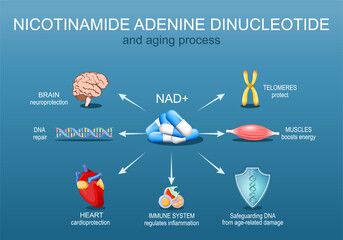
NAD+ Oral Drops with GLP-1: What the Combined Formulation Is Designed to Do
EllieMD

GLP-1 and Joint Pain: The Connection Between Weight, Inflammation, and Chronic Pain
EllieMD

GLP-1 Side Effects: What to Expect and How to Manage Them
EllieMD

GLP-1 and Testosterone: What Men Need to Know About the Hormonal Connection
EllieMD
How Does GLP-1 Work in the Body? A Plain-Language Explanation
EllieMD

The Science of Appetite: Why Hunger Is Hormonal, Not a Character Flaw
EllieMD
Get the latest updates and exclusive offers by subscribing to our newsletter.
© 2026 EllieMD LLC. All rights reserved.
