



How Semaglutide Changes What You Want to Eat: The Food Preference Shift


EllieMD
Beyond quieting hunger, semaglutide changes the foods people actually want to eat. Here is the neuroscience behind why food preferences shift and what patients consistently report.
The conversation about GLP-1 therapy tends to focus on how much less people eat. What gets less attention is how differently they want to eat. Patients on semaglutide regularly describe changes not just in the quantity of food they consume but in the specific foods that appeal to them. Foods they previously sought out regularly become less interesting. Foods they used to avoid or overlook become more appealing. The shift is not always dramatic, but it is consistent enough across patient reports that it reflects a real biological phenomenon worth understanding.
What Changes and in Which Direction
The most commonly reported preference shift is away from ultra-processed, high-fat, high-sugar foods and toward simpler, less intensely flavored options. Patients describe fried foods, fast food, and very sweet foods as suddenly unappealing or even aversive, sometimes in ways that feel surprising given how compelling those foods previously were.
This change is not just a conscious choice to eat better. Patients describe the foods as genuinely wanting them less, not simply resisting a craving they still feel. The motivational salience of these foods, the pull that previously made them hard to pass up, diminishes.
At the same time, many patients report increased satisfaction with plainer, more nutrient-dense foods. Vegetables that were previously eaten out of obligation become genuinely satisfying. Protein-forward meals feel appropriately filling rather than unsatisfying. The taste experience of whole, minimally processed foods changes in the context of a recalibrated reward system.
Some patients also report changes in alcohol preference and tolerance, a topic covered in its own article. The preference shift is not limited to food.
The Neural Mechanism
The food preference changes associated with GLP-1 therapy are an expected consequence of the mechanism that produces appetite suppression. GLP-1 receptors in the mesolimbic reward system modulate the dopaminergic signaling that assigns reward value to specific foods. Ultra-processed foods are engineered to produce maximal reward signals through combinations of fat, sugar, and salt that far exceed what naturally occurring foods produce. This engineering works precisely because it exploits the reward system in ways that natural foods do not.
GLP-1 receptor activation in the reward pathways reduces the amplitude of the dopaminergic response to these engineered reward cues. Foods that previously produced a high reward signal produce a more modest one. The same principle applies to any behavior that activates the reward system intensely, which is why GLP-1 medications are being studied in the context of addiction medicine including alcohol and substance use disorders.
The shift toward simpler foods being more satisfying reflects this reward recalibration. When highly processed foods are no longer disproportionately rewarding, whole foods with more moderate reward signals become relatively more appealing by comparison.
What This Means Practically
The food preference shift that GLP-1 therapy produces is one of the more useful things about it from a long-term outcomes perspective. A patient who genuinely prefers simpler, more nutrient-dense foods because their reward system has been recalibrated will sustain those preferences more easily than a patient trying to maintain the same preference through willpower alone.
The practical implication is to notice and lean into the preference changes as they happen, rather than fighting them or dismissing them as temporary. If fried food has lost its appeal, that is the medication doing something useful for your relationship with food that extends beyond the scale.
Some patients find that the preference shift reverses when they stop taking GLP-1 medication, as the reward system returns to its previous calibration. Others find that the months of different food experiences during treatment have contributed to genuinely changed habits that persist after the medication. Individual experience varies, but the preference shift during treatment is a real asset worth using.
When Tastes Become Aversive Rather Than Just Less Appealing
A subset of patients report not just reduced appeal for certain foods but active aversion, particularly to meat, very fatty foods, or highly seasoned foods. This is a more extreme version of the same mechanism and can create practical nutritional challenges if previously reliable protein sources become difficult to eat.
If you are experiencing food aversions that are making it difficult to maintain adequate nutrition, particularly adequate protein intake, this is worth raising with your EllieMD care team. Finding alternative protein sources that remain palatable, or adjusting the formulation or protocol, may be appropriate depending on your situation.
Individual results may vary. All prescriptions require approval by a licensed medical provider. Compounded medications are not FDA-approved. EllieMD facilitates access to independent healthcare providers and pharmacies and does not provide medical care or dispense medications.
Related Articles
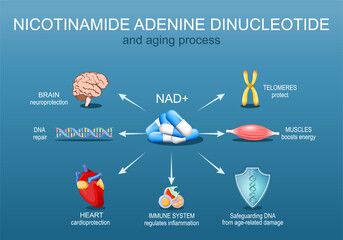
NAD+ Oral Drops with GLP-1: What the Combined Formulation Is Designed to Do
EllieMD

GLP-1 and Joint Pain: The Connection Between Weight, Inflammation, and Chronic Pain
EllieMD

GLP-1 Side Effects: What to Expect and How to Manage Them
EllieMD

GLP-1 and Testosterone: What Men Need to Know About the Hormonal Connection
EllieMD

How Does GLP-1 Work in the Body? A Plain-Language Explanation
EllieMD

The Science of Appetite: Why Hunger Is Hormonal, Not a Character Flaw
EllieMD
Get the latest updates and exclusive offers by subscribing to our newsletter.
© 2026 EllieMD LLC. All rights reserved.
