



GLP-1 Weight Loss Timeline: What to Expect Week by Week


EllieMD
One of the most common questions on a GLP-1 weight loss program is whether progress is on track. People want to know what GLP-1 weight loss looks like before and after treatment, what to expect in the first weeks, and whether what they are experiencing is normal or a sign something is off. The honest answer is that the timeline varies more than most people realize, and the best-case scenarios that circulate online are not representative of the typical experience.
This article gives you a realistic, clinically grounded picture of what most patients experience at each stage of a GLP-1 program. Your own results will be shaped by factors your EllieMD physician accounts for at the individual level, including your starting weight, dosing approach, dietary habits, sleep, and how your body responds to the medication. Use this as context, not a benchmark to measure yourself against with anxiety.
The First Two Weeks: Appetite Changes Come Before Scale Changes
The earliest effects of GLP-1 therapy are usually felt rather than seen. In the first week or two, most patients notice shifts in appetite before any meaningful change appears on the scale.
These appetite changes can be subtle at first. You may feel full sooner than expected during meals. Foods that previously triggered strong cravings may feel less compelling. The constant background pull toward eating that many people describe as a baseline feature of their relationship with food often becomes quieter.
These early appetite changes are the medication working. The scale, however, often does not move much in the first week, and this is expected. GLP-1 medications do not produce immediate fat loss. They change the hormonal environment in ways that allow reduced caloric intake to happen more naturally, and the weight loss follows from that sustained caloric reduction over time.
Side effects are most common in the first one to four weeks, particularly nausea, which tends to be most prominent in the early days at each dose level. Most patients find this improves as the body adapts. If side effects are significantly affecting your ability to eat or drink, contact your EllieMD care team rather than pushing through without support.
Weeks Three Through Eight: Early Weight Loss Becomes Visible
By weeks three to four, most patients are seeing their first meaningful scale movement. The range varies widely, but clinical data and real-world experience suggest that patients on a consistent program typically lose somewhere between two and six pounds in the first month, with the rate accelerating as appetite suppression becomes more established.
Weeks four through eight represent a settling-in period. Appetite suppression is more consistent. Side effects have usually decreased from their early peak. Many patients find that their eating patterns have shifted in ways that feel less effortful than previous caloric restriction attempts, which is precisely the mechanism that makes GLP-1 therapy clinically different from willpower-based approaches.
This is also where adherence starts to matter. Patients who stay engaged with their program, maintain some form of physical activity, and stay in contact with their physician tend to continue making progress. Patients who disengage often experience slower results or plateau.
The EllieMD community model is directly relevant here. Research from Northwestern University found that community-supported weight loss approaches produced outcomes roughly double those of solo approaches, and the adherence benefit is a significant part of why. You can read more about how this works in our community support article.
Months Two Through Four: The Program Hits Its Stride
For most patients on a GLP-1 program, months two through four are when the cumulative effect becomes clearly visible. Total weight loss of five to ten percent of starting body weight is a common picture at this stage, though the range is wide.
A few things tend to happen during this window. Your physician may have adjusted your protocol based on your response and tolerance. Patients who started with a microdosing approach may be considering whether to continue at that level or whether their response warrants a discussion about next steps. See our microdose program overview for how that conversation typically unfolds.
Body composition changes become more noticeable. Many patients report improvements in how their clothes fit before the scale reflects as much progress as they might expect, because GLP-1 therapy tends to drive fat loss that does not always show up as dramatic scale weight changes if muscle mass is being preserved or built alongside it.
Months Four Through Twelve: Long-Term Trajectory
The STEP clinical trials, which form the evidence base for GLP-1 in weight management, ran for 68 weeks and showed average weight loss of approximately 15% in the treatment group. This gives some context for what is achievable over time with consistent adherence, physician oversight, and a well-structured program.
Reaching that kind of outcome takes time. It also requires staying on the medication consistently, continuing to make the dietary and lifestyle choices that amplify the medication's effect, and maintaining the support structures that keep adherence high.
Patients who achieve their goal weight face a different set of decisions: whether to continue at a maintenance approach, whether to explore a lower dose for long-term use, or whether to stop and monitor. These are physician-guided conversations that EllieMD's care team engages in throughout treatment, not just at the beginning.
The GLP-1 weight loss before-and-after picture at twelve months looks significantly different from the thirty-day picture, and that gap is why long-term commitment to a well-supported program matters.
What Influences How Fast You Lose Weight on GLP-1
Several factors shape the pace and extent of GLP-1 weight loss for an individual patient.
Starting weight is one of them. Patients with more to lose tend to see larger absolute weight loss numbers, though percentage-based metrics are more comparable across starting weights.
Dose and titration affect outcomes. Patients who reach and tolerate higher doses generally achieve greater weight loss. Patients on microdosing protocols typically experience slower, steadier loss. Both are legitimate approaches with different tradeoff profiles.
Lifestyle factors including sleep quality, physical activity, and dietary composition all influence results alongside the medication. GLP-1 therapy is not a passive intervention. It changes the appetite environment, but what you eat within that changed environment still matters.
Baseline health factors including insulin resistance, thyroid function, sleep disorders, and other metabolic variables can affect how well the medication works. Your physician accounts for these as part of your overall care. Your EllieMD weight loss program is built around addressing the full picture, not just issuing a prescription.
Learn more at the EllieMD YouTube Channel.
Individual results may vary. All prescriptions require approval by a licensed medical provider. Compounded medications are not FDA-approved. EllieMD facilitates access to independent healthcare providers and pharmacies and does not provide medical care or dispense medications.
Related Articles
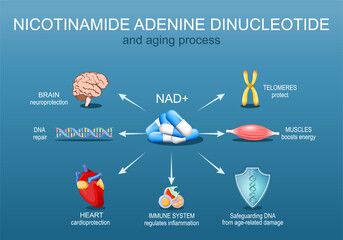
NAD+ Oral Drops with GLP-1: What the Combined Formulation Is Designed to Do
EllieMD

GLP-1 and Joint Pain: The Connection Between Weight, Inflammation, and Chronic Pain
EllieMD
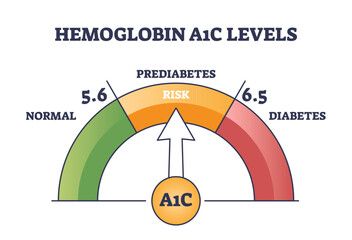
What Prediabetes Actually Means and Why GLP-1 Therapy Is Relevant
EllieMD

GLP-1 Side Effects: What to Expect and How to Manage Them
EllieMD

GLP-1 and Testosterone: What Men Need to Know About the Hormonal Connection
EllieMD

How Does GLP-1 Work in the Body? A Plain-Language Explanation
EllieMD
Get the latest updates and exclusive offers by subscribing to our newsletter.
© 2026 EllieMD LLC. All rights reserved.
