


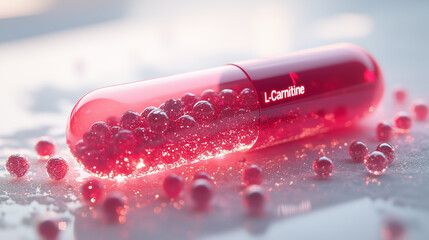
GLP-1 + L-Carnitine: Why This Combination Enhances Fat Loss


EllieMD
If you've looked into EllieMD's weight loss program, you've probably noticed that our formulation combines GLP-1 medication with L-carnitine. This isn't random. The combination reflects a specific physiological logic: GLP-1 reduces appetite and caloric intake, while L-carnitine supports the cellular machinery that burns fat for fuel. They address the weight loss equation from two different angles.
Here's what the science actually shows, and why this combination is part of how we do things.
What L-Carnitine Does in the Body
L-carnitine is an amino acid derivative that your body synthesizes naturally, primarily from lysine and methionine. Its primary job in cellular metabolism is transporting long-chain fatty acids into mitochondria, where they can be oxidized (burned) for energy.
Think of it this way: free fatty acids released from fat tissue need a carrier to get into the mitochondria and be converted to ATP. L-carnitine is that carrier. Without adequate L-carnitine, fatty acid oxidation is less efficient, and fat may be released from adipose tissue but not fully burned.
Most people maintain adequate L-carnitine levels through normal diet (red meat and dairy are the primary dietary sources) and endogenous synthesis. However, during periods of caloric restriction, elevated fat mobilization, or intense exercise, demand for L-carnitine can increase.
The Relationship Between GLP-1 Therapy and Fat Mobilization
GLP-1 receptor agonists reduce appetite, lower caloric intake, and promote metabolic changes that favor weight loss. When caloric intake drops and the body begins drawing on stored fat for energy, fatty acid mobilization from adipose tissue increases.
This creates a context where supporting fatty acid oxidation directly makes physiological sense. If fat is being mobilized but the mitochondrial transport mechanism is a limiting factor, supplementing carnitine could support more complete fat burning during treatment.
A 2017 meta-analysis published in Obesity Reviews examined 43 randomized controlled trials of L-carnitine supplementation and weight loss. It found that L-carnitine supplementation produced significantly greater weight loss compared to control, with a particularly pronounced effect in older adults and diabetic patients. The magnitude was modest but consistent.
A separate 2020 study in Nutrients examined L-carnitine's role in improving insulin sensitivity and found positive effects in metabolic syndrome patients, which is relevant for many people pursuing GLP-1 therapy.
Why the Combination Makes Sense
The combination of GLP-1 and L-carnitine targets fat loss at different points in the process:
GLP-1 therapy reduces appetite, lowers caloric intake, improves insulin signaling, and slows gastric emptying. It's working at the hormonal and neurological level to change how much you eat and how your body processes nutrients.
L-carnitine supports the downstream cellular process of actually burning the fat that's been mobilized. It's working at the mitochondrial level, ensuring that the fat your body has access to gets efficiently converted to energy rather than recirculated.
Together, they address both ends of the fat loss equation more completely than either does alone.
There's also a practical consideration. GLP-1 therapy, especially during dose escalation, often causes significant reduction in appetite. Patients eating substantially less may get less dietary carnitine from food, making supplemental carnitine more relevant.
What to Expect from the Combination
Patients on a combined GLP-1 and L-carnitine protocol don't typically feel dramatically different from those on GLP-1 alone, at least in terms of subjective experience. The enhanced fat oxidation happens at a cellular level that isn't directly felt as a sensation.
What patients do tend to notice over time: slightly better energy levels than might be expected given reduced caloric intake, and body composition results that trend toward greater fat loss relative to lean mass. That second point is important: preserving muscle while losing fat is a key goal of a well-designed weight loss program, and supporting mitochondrial function with adequate carnitine is part of that picture.
EllieMD's weight loss program includes this combination as a standard feature, not an add-on. It's one of the ways our protocol is designed to be more comprehensive than a simple GLP-1-only prescription.
For patients wanting to understand more about the broader longevity context of mitochondrial support, our article on NAD+ therapy covers related cellular energy pathways in detail.
Important Considerations
L-carnitine is generally well-tolerated. At high oral doses, some people experience a fishy body odor due to gut bacterial metabolism, but this is less common with the injectable form. Injectable L-carnitine bypasses gut absorption entirely, which improves bioavailability and avoids this effect.
Patients with certain metabolic conditions, specifically trimethylaminuria, should discuss carnitine supplementation with their physician before use.
People with a history of seizures should also discuss with their physician, as some case reports have suggested a possible interaction between carnitine and certain seizure medications.
Learn more at the EllieMD YouTube Channel.
For most patients on a weight loss program, the injectable combination with GLP-1 is well-tolerated and adds to the overall protocol without meaningful additional risk. Individual results may vary. All prescriptions require approval by a licensed medical provider. Compounded medications are not FDA-approved. EllieMD facilitates access to independent healthcare providers and pharmacies and does not provide medical care or dispense medications.
Related Articles
NAD+ Oral Drops with GLP-1: What the Combined Formulation Is Designed to Do
EllieMD

GLP-1 and Joint Pain: The Connection Between Weight, Inflammation, and Chronic Pain
EllieMD
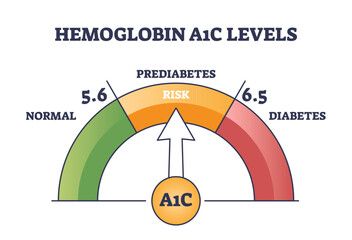
What Prediabetes Actually Means and Why GLP-1 Therapy Is Relevant
EllieMD

GLP-1 Side Effects: What to Expect and How to Manage Them
EllieMD

GLP-1 and Testosterone: What Men Need to Know About the Hormonal Connection
EllieMD

How Does GLP-1 Work in the Body? A Plain-Language Explanation
EllieMD
Get the latest updates and exclusive offers by subscribing to our newsletter.
© 2026 EllieMD LLC. All rights reserved.
