


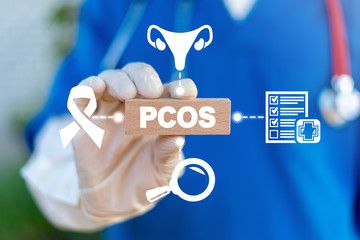
GLP-1 and PCOS: The Hormonal Connection Worth Understanding


EllieMD
5 min read
PCOS and insulin resistance are deeply linked, and GLP-1 therapy addresses both. Here is what women with PCOS need to know about how this treatment affects their underlying hormonal picture.
Polycystic ovarian syndrome is one of the most common endocrine conditions in women of reproductive age, affecting roughly one in ten women, and it is one of the conditions where GLP-1 therapy's effects go well beyond simple weight loss. For women with PCOS who are struggling with weight, irregular cycles, or other metabolic features of the condition, understanding the connection between GLP-1 and the underlying PCOS biology is genuinely useful.
What PCOS Actually Is
PCOS is often described primarily as a fertility condition, but this framing undersells how metabolically significant it is. The condition is characterized by a combination of features that can include irregular or absent ovulation, elevated androgens (male sex hormones including testosterone), and the presence of multiple small follicles on the ovaries on ultrasound. Not every woman with PCOS has all three features, and presentations vary considerably.
What most forms of PCOS share is insulin resistance. In women with PCOS, the ovaries are unusually sensitive to insulin's stimulating effects on androgen production. When insulin levels are chronically elevated due to insulin resistance, the ovaries respond by producing more testosterone and other androgens than they should. Elevated androgens then disrupt normal ovulation, create the menstrual irregularity that many women with PCOS experience, and contribute to other features including acne and excess hair growth.
This insulin-androgen connection is why treating insulin resistance is central to managing PCOS, not just a secondary consideration.
Where GLP-1 Therapy Enters the Picture
GLP-1 receptor agonists address PCOS through the same mechanisms that make them effective in other insulin-resistant conditions. By improving insulin sensitivity, reducing the chronic insulin elevation that drives ovarian androgen overproduction, GLP-1 therapy targets the root mechanism rather than just the symptoms.
Multiple studies have examined GLP-1 receptor agonists specifically in PCOS populations, and the findings are consistent. A systematic review published in Fertility and Sterility00470-9/fulltext) examined the effects of GLP-1 receptor agonists in women with PCOS and found significant improvements in body weight, waist circumference, fasting insulin, testosterone levels, and menstrual regularity. The improvements in testosterone and cycle regularity occurred alongside but appeared to be partially independent of the weight loss, suggesting direct hormonal effects beyond just the metabolic benefits of losing weight.
For women who have been told that they simply need to lose weight to improve their PCOS, and who have found that losing weight with PCOS is significantly harder than people without the condition suggest it should be, this bidirectional effect is important. GLP-1 therapy can help break what is often a frustrating cycle: PCOS-related insulin resistance makes weight loss harder, excess weight worsens insulin resistance, and worsening insulin resistance worsens PCOS features.
Menstrual Cycle Changes During Treatment
Many women with PCOS who start GLP-1 therapy report changes in their menstrual cycle, often within the first few months. Cycles that were previously irregular or absent begin to occur more regularly. This is a reflection of improving ovarian function as androgen levels normalize with improved insulin sensitivity.
This change has an important practical implication. For women who were relying on irregular cycles as an indicator of low fertility, the restoration of more regular ovulation means contraception becomes more relevant. If you are not trying to conceive, discuss your contraception with your physician at the start of GLP-1 therapy.
For women who are trying to conceive and for whom irregular ovulation was a barrier, improved cycle regularity can be a meaningful fertility benefit. However, GLP-1 medications are generally discontinued before conception due to insufficient safety data in pregnancy. This is a planned transition your physician manages, not a reason to avoid treatment.
What to Expect Differently as a PCOS Patient
Women with PCOS may find that they respond somewhat differently to GLP-1 therapy than the general weight loss population. The baseline insulin resistance in PCOS creates a starting metabolic state that is more disrupted than in women without the condition, which can affect both how well the medication works and how the hormonal picture shifts during treatment.
Your EllieMD physician's approach to a PCOS patient involves understanding the hormonal picture, not just the weight goal. Baseline hormonal labs, including testosterone, SHBG, and fasting insulin, give a concrete picture of the PCOS severity and allow meaningful tracking of how it responds to treatment. These are not optional extras for a PCOS patient. They are the clinical foundation for understanding whether treatment is working.
Learn more at the EllieMD YouTube Channel.
Individual results may vary. All prescriptions require approval by a licensed medical provider. Compounded medications are not FDA-approved. EllieMD facilitates access to independent healthcare providers and pharmacies and does not provide medical care or dispense medications.
Related Articles
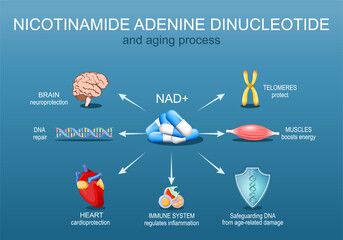
NAD+ Oral Drops with GLP-1: What the Combined Formulation Is Designed to Do
EllieMD

GLP-1 and Joint Pain: The Connection Between Weight, Inflammation, and Chronic Pain
EllieMD
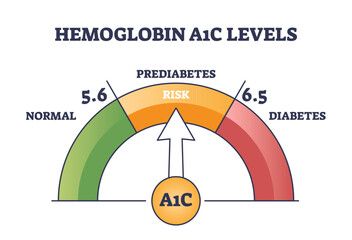
What Prediabetes Actually Means and Why GLP-1 Therapy Is Relevant
EllieMD

GLP-1 Side Effects: What to Expect and How to Manage Them
EllieMD

GLP-1 and Testosterone: What Men Need to Know About the Hormonal Connection
EllieMD

How Does GLP-1 Work in the Body? A Plain-Language Explanation
EllieMD
Get the latest updates and exclusive offers by subscribing to our newsletter.
© 2026 EllieMD LLC. All rights reserved.
