


GLP-1 and Kidney Health: What Patients Should Know


EllieMD
5 min read
Research shows GLP-1 medications protect kidney function in ways that matter for long-term health. Here is what the clinical evidence shows and who should pay particular attention to this finding.
The cardiovascular benefits of GLP-1 therapy have received significant attention since the SELECT trial results were published. Less discussed but clinically significant are the kidney-protective effects that have emerged from GLP-1 research, particularly relevant for patients with diabetes, obesity, or hypertension who are at elevated risk for chronic kidney disease.
Why the Kidneys Are at Risk in Metabolic DiseaseChronic kidney disease (CKD) affects roughly 37 million Americans and is one of the most significant long-term complications of type 2 diabetes and poorly controlled hypertension. The kidneys filter blood continuously, and the small blood vessels and filtering units within them are particularly vulnerable to the damage caused by chronically elevated blood sugar, high blood pressure, and inflammation.
The kidneys and the heart are deeply connected in their risk profiles. The conditions that damage the heart, including insulin resistance, hypertension, and metabolic syndrome, damage the kidneys in parallel. This is why cardiovascular events and kidney disease progression tend to track together in at-risk populations.
For patients with obesity and metabolic syndrome who do not yet have diabetes, early kidney changes are often already present. Hyperfiltration, a state in which the kidneys are overworked and working at higher than normal capacity, is common in obesity and precedes measurable decline in kidney function.
What the FLOW Trial FoundThe FLOW trial, published in the New England Journal of Medicine in 2024, was specifically designed to test GLP-1's effects on kidney outcomes in patients with type 2 diabetes and chronic kidney disease. The results were significant enough that the trial was stopped early.
GLP-1 reduced the composite endpoint of sustained 50 percent decline in kidney function, kidney failure, and kidney-related death or cardiovascular death by 24 percent compared to placebo. This was in a population already diagnosed with CKD, where many assumed the damage was largely fixed.
The mechanisms appear to include direct anti-inflammatory effects on kidney tissue through GLP-1 receptor activation, reduction in blood pressure, reduction in proteinuria (protein in the urine, which indicates kidney damage), and the metabolic benefits of weight loss and improved insulin sensitivity.
What This Means for Patients Not Yet Diagnosed with CKDFor patients who have risk factors for kidney disease, including diabetes, prediabetes, hypertension, and obesity, but who have not yet received a CKD diagnosis, the FLOW and SELECT data together paint a picture of GLP-1 therapy as a meaningful protective intervention for both the heart and kidneys in parallel.
This is not just a complication-management story. It is a prevention story for patients in the risk factor stage who have not yet developed disease. The earlier metabolic risk factors are addressed, including through GLP-1 therapy, the less kidney damage accumulates over decades.
Your physician will be aware of your kidney function through standard lab values in your health history. If there are indications of early kidney stress or risk factors for CKD, this clinical dimension of GLP-1 therapy is part of the conversation worth having during your EllieMD consultation.
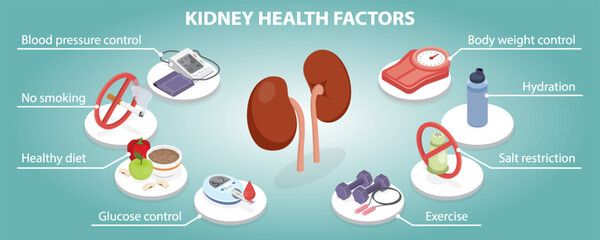
Practical Considerations for Kidney Health on GLP-1 TherapyHydration is relevant for kidney health during GLP-1 therapy. The medication's effects on appetite can extend to reducing thirst signals in some patients. Adequate fluid intake supports kidney function, particularly if any GI side effects including vomiting or diarrhea occur.
Patients on medications for blood pressure or diabetes who start GLP-1 therapy should monitor these parameters, as the weight loss and metabolic improvements can reduce medication requirements, and over-medication in this context is a real clinical concern. Your EllieMD physician stays in contact with you through your program specifically to manage these kinds of adjustments.
Learn more at the EllieMD YouTube Channel.
Individual results may vary. All prescriptions require approval by a licensed medical provider. Compounded medications are not FDA-approved. EllieMD facilitates access to independent healthcare providers and pharmacies and does not provide medical care or dispense medications.
Related Articles
NAD+ Oral Drops with GLP-1: What the Combined Formulation Is Designed to Do
EllieMD

GLP-1 and Joint Pain: The Connection Between Weight, Inflammation, and Chronic Pain
EllieMD
What Prediabetes Actually Means and Why GLP-1 Therapy Is Relevant
EllieMD

GLP-1 Side Effects: What to Expect and How to Manage Them
EllieMD

GLP-1 and Testosterone: What Men Need to Know About the Hormonal Connection
EllieMD

How Does GLP-1 Work in the Body? A Plain-Language Explanation
EllieMD
Get the latest updates and exclusive offers by subscribing to our newsletter.
© 2026 EllieMD LLC. All rights reserved.
