


GLP-1 and High Blood Pressure: What Hypertensive Patients Need to Know


EllieMD
5 min read
GLP-1 therapy consistently lowers blood pressure in ways that matter for hypertensive patients. Here is what drives that effect, what it means for your medications, and what to watch for.
High blood pressure is one of the most common conditions in patients starting GLP-1 therapy. Hypertension and obesity frequently coexist because excess body weight drives several of the mechanisms that elevate blood pressure. GLP-1 therapy addresses these mechanisms directly, and the result is a consistent blood pressure reduction that most patients on these medications experience, sometimes more dramatically than they expect.
This creates a clinically important situation that is worth understanding before starting GLP-1 therapy if you are already on blood pressure medication.
How Obesity Raises Blood Pressure
The relationship between excess weight and elevated blood pressure operates through several interconnected pathways. Excess adipose tissue, particularly visceral fat, activates the renin-angiotensin-aldosterone system, the hormonal cascade that regulates blood pressure through kidney function and sodium retention. Visceral fat also increases sympathetic nervous system tone, meaning the fight-or-flight nervous system is chronically more active, which elevates heart rate and peripheral vascular resistance.
Insulin resistance, which commonly accompanies obesity, independently drives blood pressure elevation through its effects on renal sodium handling. The kidneys retain more sodium in an insulin-resistant state, which increases blood volume and raises pressure. Obesity-related sleep apnea, through the repeated oxygen drops and sympathetic surges that accompany apneic episodes, adds a further nocturnal blood pressure burden that spills into daytime readings.
What GLP-1 Therapy Does to Blood Pressure
GLP-1 therapy reduces blood pressure through multiple mechanisms, some direct and some mediated through weight loss and metabolic improvement.
The weight loss itself reduces the mechanical load on the cardiovascular system, reduces visceral fat and its hormonal contributions to blood pressure elevation, improves insulin sensitivity and the downstream effects on renal sodium handling, and in patients with obesity-related sleep apnea, can substantially improve or resolve the nocturnal blood pressure spikes.
Beyond weight loss, GLP-1 receptors in blood vessel walls and the heart appear to have direct vasodilatory and cardioprotective effects. Clinical trials consistently show blood pressure reductions from GLP-1 therapy that are somewhat greater than what weight loss alone would predict, consistent with direct vascular receptor effects.
Meta-analyses of GLP-1 receptor agonist trials have found average systolic blood pressure reductions of approximately 2 to 5 mmHg. For individual patients with higher starting blood pressures, reductions of 10 to 15 mmHg or more are not uncommon over the course of significant weight loss.
The Over-Medication Risk
Here is the clinical issue that patients and physicians need to manage actively. If a patient is on one or more antihypertensive medications and GLP-1 therapy produces meaningful blood pressure reduction, the combination of the medication and the GLP-1 effect can drive blood pressure too low.
Hypotension, or excessively low blood pressure, produces symptoms including dizziness, lightheadedness, and in more significant cases, fainting. It is particularly concerning when standing quickly from a seated or lying position, a pattern called orthostatic hypotension.
Patients on blood pressure medications who start GLP-1 therapy and begin losing significant weight need active monitoring of their blood pressure throughout treatment. When readings consistently fall below the target range while on antihypertensive medications, a conversation with the prescribing physician about reducing or eliminating one of those medications is appropriate.
This is not an adverse effect of GLP-1 therapy. It is a success that requires clinical management. The patient whose blood pressure normalizes from GLP-1-induced weight loss and who no longer needs a medication they had previously required for decades is a clinical success story. The management step is recognizing when that success creates an over-medication situation.
Monitoring Blood Pressure During GLP-1 Treatment
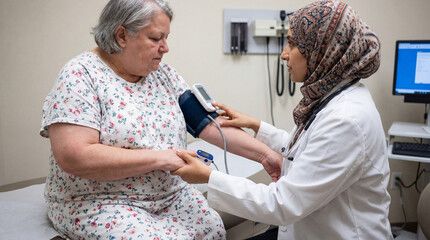
Home blood pressure monitoring is straightforward and inexpensive. An upper arm cuff blood pressure monitor taken consistently, sitting quietly for five minutes before measuring, at the same time of day, provides meaningful trend data that your physician can use to make medication adjustments.
Your EllieMD care team stays accessible throughout your program for exactly this type of clinical management question. If you are on blood pressure medication and notice consistent readings below your target range, or if you experience dizziness or lightheadedness, contact your care team rather than simply stopping any medications on your own.
Stopping antihypertensive medications abruptly without physician guidance can produce rebound hypertension in some cases. The appropriate response is a physician-supervised reduction or discontinuation, not self-directed stoppage.
Learn more at the EllieMD YouTube Channel.
Individual results may vary. All prescriptions require approval by a licensed medical provider. Compounded medications are not FDA-approved. EllieMD facilitates access to independent healthcare providers and pharmacies and does not provide medical care or dispense medications.
Related Articles
NAD+ Oral Drops with GLP-1: What the Combined Formulation Is Designed to Do
EllieMD

GLP-1 and Joint Pain: The Connection Between Weight, Inflammation, and Chronic Pain
EllieMD
What Prediabetes Actually Means and Why GLP-1 Therapy Is Relevant
EllieMD

GLP-1 Side Effects: What to Expect and How to Manage Them
EllieMD

GLP-1 and Testosterone: What Men Need to Know About the Hormonal Connection
EllieMD

How Does GLP-1 Work in the Body? A Plain-Language Explanation
EllieMD
Get the latest updates and exclusive offers by subscribing to our newsletter.
© 2026 EllieMD LLC. All rights reserved.
