


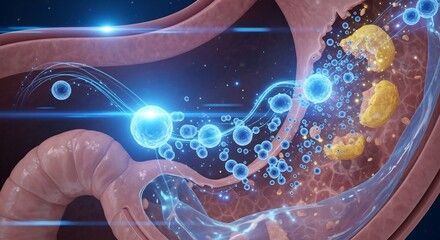
GLP-1 and Gallbladder Risk: What Rapid Weight Loss Does to Bile


EllieMD
5 min read
Gallstones are a documented risk with rapid weight loss on GLP-1 therapy. Here is how they form, who is most at risk, and what the warning signs are that warrant a physician call.
Gallstones are one of the most consistently undermentioned risks of rapid weight loss, and GLP-1 therapy is not exempt from this concern. For the majority of patients, the risk is manageable and does not materialize as a clinical problem. But for a meaningful subset, particularly those who lose weight quickly and those with pre-existing risk factors, gallstones during GLP-1 therapy are a real possibility that deserves honest discussion before starting treatment.
Why Rapid Weight Loss Promotes Gallstone Formation
The gallbladder stores bile, a digestive fluid produced by the liver that is released into the small intestine when fat is consumed. Bile contains cholesterol, bile salts, and other components that are maintained in solution through careful chemical balance. When this balance is disrupted, cholesterol can crystallize and form stones.
Rapid weight loss disrupts bile composition in two ways that promote stone formation. First, rapid fat mobilization releases large amounts of cholesterol into the circulation, some of which the liver secretes into bile, supersaturating it with cholesterol. Second, rapid weight loss and reduced food intake mean the gallbladder is stimulated to contract and release bile less frequently, because fat intake is lower. A gallbladder that sits still for extended periods allows bile to become stagnant and concentrated, creating conditions in which cholesterol crystals can form and aggregate into stones.
The clinical data on this is consistent. Studies of patients who lose weight rapidly through bariatric surgery show gallstone formation rates of 30 to 40 percent in the months following surgery. Weight loss through non-surgical means, including dietary restriction and medications, shows lower but still elevated gallstone rates compared to weight-stable populations.
In the STEP 1 clinical trial of GLP-1 for obesity, cholelithiasis (gallstones) and cholecystitis (gallbladder inflammation) occurred at higher rates in the GLP-1 group than in the placebo group, approximately 2.6 percent versus 1.2 percent over 68 weeks. This is a real signal that is included in the prescribing information for these medications.
Who Is at Higher Risk
The standard risk factors for gallstones apply in the GLP-1 context and compound the weight-loss-related risk. Women are more susceptible than men to cholesterol gallstones. People over 40 have higher baseline gallstone risk. People with obesity at baseline have higher than average gallstone risk before any weight loss begins, which means the starting point is already elevated for many GLP-1 patients. Family history of gallstones matters. And people who have previously had gallstones have the highest risk of developing new ones.
The rate of weight loss is an independent risk factor beyond total weight lost. Losing more than one to two pounds per week consistently sustains the bile supersaturation conditions that favor stone formation. Patients on GLP-1 therapy who are losing weight at the higher end of the response range for an extended period warrant particular awareness.
Symptoms That Require Immediate Attention
Many gallstones produce no symptoms and are discovered incidentally on imaging. However, when a gallstone moves from the gallbladder into the bile duct, or when it blocks the gallbladder outlet, the resulting pain can be severe and requires medical evaluation.
Biliary colic is the episodic right upper abdominal pain that occurs when a stone temporarily obstructs the bile duct. It typically begins after a fatty meal, comes on sharply, and can radiate to the right shoulder or between the shoulder blades. Episodes last from 30 minutes to several hours before resolving.
Cholecystitis, inflammation of the gallbladder from an obstructing stone, produces more persistent right upper quadrant pain accompanied by fever, nausea, and tenderness. This warrants prompt medical evaluation.
Choledocholithiasis, a stone stuck in the common bile duct, can cause jaundice, dark urine, and elevated liver enzymes alongside abdominal pain. This is a more serious situation that requires urgent evaluation.
Any of these presentations in a patient on GLP-1 therapy warrants contacting a physician promptly rather than waiting to see if it resolves.
Practical Risk Reduction
Ursodeoxycholic acid (UDCA), a medication that reduces bile cholesterol saturation, has evidence for reducing gallstone formation during rapid weight loss. In bariatric surgery populations, UDCA taken for the first six months following surgery significantly reduces gallstone formation rates. Whether routine UDCA prophylaxis is appropriate for GLP-1 patients is a discussion worth having with your physician, particularly if you have multiple risk factors.
Maintaining some dietary fat intake rather than eating a very low-fat diet during GLP-1 therapy keeps the gallbladder contracting regularly, which helps prevent bile stasis. The fat content of meals stimulates cholecystokinin release, which signals the gallbladder to contract. A gallbladder that contracts several times daily has less opportunity to develop the concentrated stagnant bile that promotes stone formation.
If you have a history of gallbladder disease or previous gallstones, make sure to disclose this to your EllieMD physician at your initial consultation. It is a specific clinical consideration that may affect your protocol.
Learn more at the EllieMD YouTube Channel.
Individual results may vary. All prescriptions require approval by a licensed medical provider. Compounded medications are not FDA-approved. EllieMD facilitates access to independent healthcare providers and pharmacies and does not provide medical care or dispense medications.
Related Articles
NAD+ Oral Drops with GLP-1: What the Combined Formulation Is Designed to Do
EllieMD
GLP-1 and Joint Pain: The Connection Between Weight, Inflammation, and Chronic Pain
EllieMD
What Prediabetes Actually Means and Why GLP-1 Therapy Is Relevant
EllieMD
GLP-1 Side Effects: What to Expect and How to Manage Them
EllieMD
GLP-1 and Testosterone: What Men Need to Know About the Hormonal Connection
EllieMD
How Does GLP-1 Work in the Body? A Plain-Language Explanation
EllieMD
Get the latest updates and exclusive offers by subscribing to our newsletter.
© 2026 EllieMD LLC. All rights reserved.
