


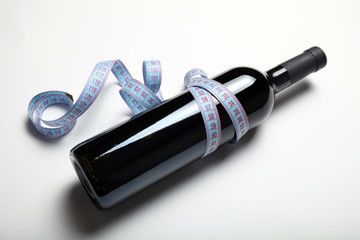
GLP-1 and Alcohol: What Drinking Actually Does to Your Results


EllieMD
5 min read
Alcohol affects GLP-1 therapy in ways most patients are never told about. Here is an honest look at how drinking interacts with your medication, your appetite, and your progress.
Alcohol comes up in almost every GLP-1 consultation, either because patients ask directly or because they quietly wonder whether their Friday night glass of wine will matter. The answer is more layered than a simple yes or no, and understanding it helps you make informed decisions rather than guessing.
The interaction between GLP-1 therapy and alcohol works in both directions. The medication changes how alcohol affects you. And alcohol changes how well the medication works.
How GLP-1 Medications Change Your Response to AlcoholOne of the consistent reports from patients on GLP-1 and GLP-1/GIP is that alcohol hits differently than before. Smaller amounts produce more noticeable effects. The pleasant warmth that previously required two drinks appears after one. This is not a placebo effect or wishful thinking. There is a biological explanation.
GLP-1 receptors are present throughout the brain, including in the reward and reinforcement circuitry of the nucleus accumbens and the ventral tegmental area. These are the same pathways that mediate alcohol's pleasurable effects. GLP-1 receptor activation in these regions appears to modulate the reward response to alcohol, reducing the drive to drink and altering the subjective experience of intoxication.
Research suggests "GLP-1 receptor agonists may reduce alcohol consumption by influencing the brain's reward pathways." In a 2026 randomized clinical trial, GLP-1 significantly reduced heavy drinking days in adults with alcohol use disorder and obesity. While GLP-1s are not yet approved to treat alcohol use disorder, these findings add to growing evidence of their potential beyond metabolic health.
For most patients using GLP-1 therapy for weight loss, the practical consequence is a lower tolerance for alcohol than they had before. This can be disorienting if you are not expecting it. The risk of overconsumption from drinking your previous amount is real.
How Alcohol Affects Your GLP-1 ResultsThe relationship also runs the other way. Alcohol affects the metabolic environment in which GLP-1 therapy operates, and some of those effects work directly against your goals.
Alcohol is calorie-dense at roughly seven calories per gram, more than carbohydrates or protein. The calories from alcohol are metabolized differently than food calories, with the liver prioritizing alcohol metabolism over fat burning. During the hours your liver is processing alcohol, fat oxidation is effectively paused. This is not a minor effect. Heavy drinking sessions can interrupt fat metabolism for many hours, blunting the caloric deficit that GLP-1 therapy is designed to support.
Alcohol also disrupts sleep architecture, particularly suppressing deep slow-wave sleep and REM sleep even when it initially seems to aid sleep onset. Given that growth hormone secretion peaks during deep sleep, and that GLP-1 therapy's metabolic benefits are partly sleep-dependent, chronic disruption of sleep quality has compounding negative effects on body composition outcomes.
There is also the appetite interaction to consider. GLP-1 therapy significantly reduces food-related reward signals, but alcohol-related appetite stimulation operates through somewhat different pathways. Some patients find that drinking lowers the inhibitions around food choices in a way that the medication does not fully offset, leading to late-night food decisions that would not otherwise happen.
What Patients Actually NoticeThe most common reported experiences fall into a few patterns. Many patients drink substantially less on GLP-1 therapy, not from deliberate effort but because the desire simply diminishes. The same reward-dampening effect that quiets food cravings appears to quieten alcohol cravings for many people. Some patients find this a pleasant surprise. Others find it an unexpected identity shift if drinking was a regular social ritual.
A smaller group reports the opposite: that their alcohol intake stayed the same but that they became much more intoxicated on previous amounts, which required recalibration.
A third group notices no meaningful change in either direction.
None of these responses are wrong. They reflect individual variation in how strongly GLP-1 receptors in the reward pathways modulate alcohol response.
The Practical ApproachThere is no evidence-based rule that prohibits moderate alcohol consumption during GLP-1 therapy. For most patients, moderate and occasional drinking does not meaningfully derail results. The issues arise with regular heavy drinking, because of the metabolic effects on fat oxidation, sleep, and overall caloric intake.
The sensible approach is to be aware that your tolerance is likely lower than before and to adjust your consumption accordingly. Drinking the same amount you did before starting the medication without accounting for the changed response is the most common mistake patients make in this area.
If you have questions about alcohol and your specific protocol, your EllieMD care team is the right person to discuss them with.
Learn more at the EllieMD YouTube Channel.
Individual results may vary. All prescriptions require approval by a licensed medical provider. Compounded medications are not FDA-approved. EllieMD facilitates access to independent healthcare providers and pharmacies and does not provide medical care or dispense medications.
Related Articles
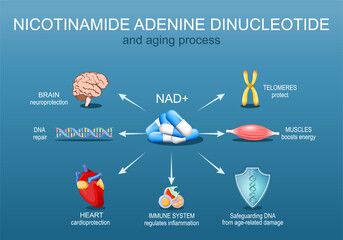
NAD+ Oral Drops with GLP-1: What the Combined Formulation Is Designed to Do
EllieMD
GLP-1 and Joint Pain: The Connection Between Weight, Inflammation, and Chronic Pain
EllieMD
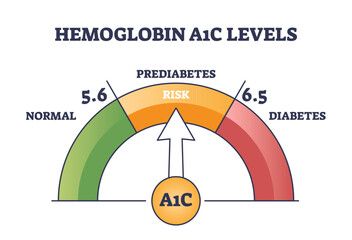
What Prediabetes Actually Means and Why GLP-1 Therapy Is Relevant
EllieMD
GLP-1 Side Effects: What to Expect and How to Manage Them
EllieMD
GLP-1 and Testosterone: What Men Need to Know About the Hormonal Connection
EllieMD
How Does GLP-1 Work in the Body? A Plain-Language Explanation
EllieMD
Get the latest updates and exclusive offers by subscribing to our newsletter.
© 2026 EllieMD LLC. All rights reserved.
