



Building a Sustainable Eating Pattern on GLP-1: What Works After the Appetite Resets


EllieMD
5 min read
GLP-1 therapy resets your appetite, but it does not design your eating pattern for you. Here is how to build a food approach that works during treatment and holds up after it.
GLP-1 therapy changes the appetite environment dramatically for most patients. The constant pull toward eating quiets, portions that previously felt insufficient become satisfying, and food decisions require substantially less mental effort. This is the medication working as designed.
What it does not do is design your eating pattern for you. The reduced appetite creates space. What you build in that space determines whether the metabolic improvements from GLP-1 therapy become durable habits or whether they exist only as long as the pharmacological suppression is active.
Why This Window Matters
There is a clinical reason to pay attention to eating habits specifically during GLP-1 treatment rather than simply eating whatever sounds manageable. The reduced food noise and easier relationship with food that GLP-1 therapy creates makes behavior change easier than it ever was before, precisely because the biological resistance to change is pharmacologically reduced.
Research on habit formation consistently shows that behaviors practiced during a period of reduced resistance become more automatic over time. New eating patterns established during GLP-1 therapy have a better chance of persisting because they are being practiced in a context where they require less effort to maintain. This is not guaranteed, but the window is genuinely more favorable than it was before treatment.
Patients who use the appetite suppression as pure passive weight loss without deliberately establishing new patterns tend to find that when the pharmacological effect diminishes, which happens to some degree during dose stabilization and more completely if treatment eventually stops, they revert to previous patterns. Patients who use the window to establish genuine habits have something to fall back on that was not there before.
What a Sustainable Eating Pattern Actually Looks Like
Sustainable is the key word here, meaning it has to be something you can maintain over years, not something that requires heroic discipline to continue.
Several features characterize eating patterns that hold up over time. They are built around foods that are genuinely satisfying rather than purely compliant. They have enough variety that they do not become tedious. They accommodate real life including social situations, travel, and celebrations without catastrophizing deviation. And they are structured enough to provide a default rather than requiring a fresh food decision at every meal.
For most adults, this looks like a few meal patterns that rotate regularly, a set of default protein sources that are quick to prepare, a consistent approach to produce and vegetables, and a reasonable strategy for higher-calorie situations. It is not a rigid meal plan. It is a practiced default that requires less conscious effort than decision-making from scratch.
The Protein Priority That Persists Beyond GLP-1
The protein focus that is central to GLP-1 programs, as covered in the nutrition articles, needs to carry over into any sustainable eating pattern because its value does not disappear when appetite normalizes. Adequate protein supports muscle mass, satiety, metabolic rate, and tissue repair regardless of whether GLP-1 therapy is active. The habit of prioritizing protein at meals, built during GLP-1 treatment, is one of the most metabolically valuable patterns to establish.
Practically, this means protein as the anchor of each meal, with vegetables and some form of carbohydrate built around it rather than the other way around. It means having reliable high-protein options for situations when full cooking is not realistic. And it means having a protein supplement available for periods when appetite is very low or nutrition from food falls short.
Navigating Eating in Social Contexts
Social eating is where the most well-designed eating patterns face their genuine test. Restaurants, celebrations, holidays, and colleagues offering food all create situations where the default eating environment has different pressures than the controlled home environment.
GLP-1 therapy helps here by reducing the urgency that social food situations previously created. The mechanism is not just willpower. The reward salience of offered food is genuinely reduced. But social eating patterns are also heavily habitual, and the habits formed in social eating contexts over years do not change automatically with the medication.
A few practical orientations that work well for GLP-1 patients in social contexts: eating a small protein-based snack before restaurant meals or social events so you arrive with some satiety rather than relying entirely on in-the-moment management, making specific food choices rather than eating generally from whatever is available, and allowing genuine enjoyment of social eating without treating every deviation as a failure.
What Happens to Eating Patterns When GLP-1 Therapy Is Paused or Stopped
This is the practical test of whether the eating pattern you built is genuine or pharmaceutical. For most patients who eventually stop or pause GLP-1 therapy, appetite returns to some degree. Cravings that were quiet become louder. Food decisions require more conscious effort.
The difference between patients who maintain their results and those who regain weight after stopping is largely determined by whether behavioral patterns were genuinely established during treatment. Patients who spent their treatment time building consistent eating habits have those habits as a functional default when the medication is gone. Patients who relied entirely on appetite suppression without building habits have a much harder transition.
This is not an argument against GLP-1 therapy or for treating it as a temporary solution. It is an argument for using the treatment period actively rather than passively, and for thinking about what you are building during treatment that will still be there afterward.
Your EllieMD care team is available to help you think through the eating pattern that makes sense for your specific situation, your food preferences, and your life. The physician consultation is about more than the prescription. It is about building the clinical context in which lasting change becomes possible.
Learn more at the EllieMD YouTube Channel.
Individual results may vary. All prescriptions require approval by a licensed medical provider. Compounded medications are not FDA-approved. EllieMD facilitates access to independent healthcare providers and pharmacies and does not provide medical care or dispense medications.
Related Articles
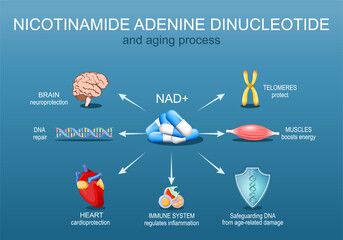
NAD+ Oral Drops with GLP-1: What the Combined Formulation Is Designed to Do
EllieMD

GLP-1 and Joint Pain: The Connection Between Weight, Inflammation, and Chronic Pain
EllieMD
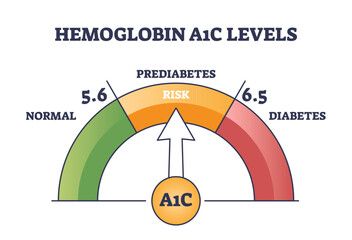
What Prediabetes Actually Means and Why GLP-1 Therapy Is Relevant
EllieMD

GLP-1 Side Effects: What to Expect and How to Manage Them
EllieMD

GLP-1 and Testosterone: What Men Need to Know About the Hormonal Connection
EllieMD

How Does GLP-1 Work in the Body? A Plain-Language Explanation
EllieMD
Get the latest updates and exclusive offers by subscribing to our newsletter.
© 2026 EllieMD LLC. All rights reserved.
