



Body Recomposition on GLP-1: Building Muscle While Losing Fat


EllieMD
5 min read
Body recomposition, losing fat and gaining muscle simultaneously, is possible on GLP-1 therapy with the right approach. Here is what the research shows about how to make it happen.
Most weight loss programs, including most GLP-1 programs as they are typically described, have a single goal: losing weight. Body recomposition is a different goal. It means changing the ratio of fat to lean tissue in the body, specifically losing fat while maintaining or building muscle, regardless of what the scale does. The scale may barely move during successful body recomposition. The body changes substantially.
For patients on GLP-1 therapy who care about how their body functions and looks rather than just the number on a scale, understanding body recomposition is one of the more useful frameworks available.
Why Standard Weight Loss Falls Short of Recomposition
When the body loses weight through caloric restriction alone, the loss is typically a mixture of fat and lean tissue. Research on the composition of weight lost during dietary restriction without exercise consistently shows that 25 to 40 percent of the weight lost comes from lean mass rather than fat, depending on protein intake and other factors.
This is metabolically significant because lean mass is the metabolically active tissue that drives resting energy expenditure, physical function, and insulin sensitivity. Losing 30 pounds that includes 10 pounds of muscle versus losing 30 pounds that is almost entirely fat produces very different metabolic outcomes even at the same scale weight.
GLP-1 therapy does not change this fundamental tension between weight loss speed and lean mass preservation. The caloric deficit the medication enables is large enough that without deliberate intervention, significant lean mass loss alongside fat loss is predictable.
What Makes Recomposition Possible
Body recomposition requires two conditions to be met simultaneously. There must be a stimulus for muscle protein synthesis, and there must be adequate substrate for it.
The stimulus is resistance exercise. As covered in the resistance training article, progressive mechanical loading of muscles triggers muscle protein synthesis through the mTOR signaling pathway and satellite cell activation. This stimulus tells the body to preserve and build muscle tissue even when caloric availability is restricted.
The substrate is dietary protein, specifically the essential amino acids leucine, isoleucine, and valine, and the full complement of essential amino acids that complete proteins provide. Without adequate protein, the muscle protein synthesis stimulus from exercise cannot be acted upon because the building materials are not available.
The third component, which is where GLP-1 therapy creates an interesting context, is the caloric environment. True body recomposition at its most efficient occurs when calories are at or near maintenance, meaning the body is not aggressively breaking down tissue for energy. The significant caloric deficit that GLP-1 therapy tends to produce can work against the muscle-building component of recomposition.
Adapting the GLP-1 Program for Recomposition Goals
The key adaptation is ensuring that protein intake is prioritized within the reduced food volume, and that resistance training is the primary exercise modality. These two factors push the body toward retaining and building muscle even in a caloric deficit.
Research on resistance training during caloric restriction, including some studies specifically examining GLP-1 patient populations, shows that patients who combine resistance training with GLP-1 therapy lose significantly more fat and significantly less lean mass than those who rely on the medication and diet alone. The body composition outcome is dramatically better even at similar scale weight changes.
A slower rate of weight loss also supports recomposition. The body is more capable of retaining and building muscle when the caloric deficit is moderate rather than aggressive. For patients whose primary goal is body recomposition rather than maximizing the speed of weight loss, discussing a protocol with their physician that produces a more moderate caloric deficit, through lower medication doses or adjusted nutritional approaches, may be worthwhile.
The timeline for visible recomposition is longer than for standard weight loss. Scale weight may change slowly while body composition changes significantly over the same period. This is one of the reasons tracking progress with measurements, clothing fit, and if available, body composition testing, is more informative than scale weight alone for patients with recomposition goals.
What Results Are Realistic
Significant net muscle gain during caloric restriction is challenging even under optimal conditions. The realistic recomposition goal for most GLP-1 patients is to preserve substantially all lean mass while losing fat, rather than gaining large amounts of new muscle simultaneously.
Patients who succeed at this look meaningfully different at the same weight than those who lose a mixture of fat and muscle, because their body composition is different. The maintained or slightly improved muscle mass combined with reduced fat mass produces the firmer, more defined appearance that patients often describe wanting but that the scale alone does not reflect.
For patients who are beginners to resistance training, genuine muscle gains alongside fat loss are more achievable than for experienced trainees, because the beginner adaptation to resistance training produces muscle protein synthesis rates high enough to add mass even in a caloric deficit. This is a meaningful advantage of starting a GLP-1 program and a resistance training program simultaneously for previously sedentary patients.
Learn more at the EllieMD YouTube Channel.
Individual results may vary. All prescriptions require approval by a licensed medical provider. Compounded medications are not FDA-approved. EllieMD facilitates access to independent healthcare providers and pharmacies and does not provide medical care or dispense medications.
Related Articles
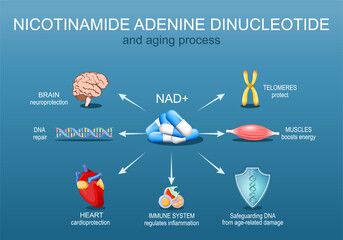
NAD+ Oral Drops with GLP-1: What the Combined Formulation Is Designed to Do
EllieMD

GLP-1 and Joint Pain: The Connection Between Weight, Inflammation, and Chronic Pain
EllieMD
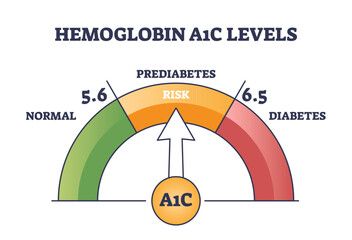
What Prediabetes Actually Means and Why GLP-1 Therapy Is Relevant
EllieMD
GLP-1 Side Effects: What to Expect and How to Manage Them
EllieMD
GLP-1 and Testosterone: What Men Need to Know About the Hormonal Connection
EllieMD
How Does GLP-1 Work in the Body? A Plain-Language Explanation
EllieMD
Get the latest updates and exclusive offers by subscribing to our newsletter.
© 2026 EllieMD LLC. All rights reserved.
