


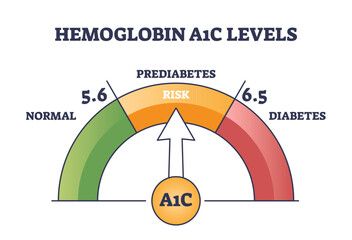
What Prediabetes Actually Means and Why GLP-1 Therapy Is Relevant


EllieMD
5 min read
Prediabetes is not a warning that something is about to happen. It is evidence that something is already happening. Here is what it means biologically and why GLP-1 therapy is one of the strongest interventions available.
Prediabetes affects roughly 96 million American adults, which is more than one in three. The vast majority of them have not been told. And of those who have been told, a significant portion received the information as a vague caution rather than the actionable clinical finding it actually is.
If you have been told you have prediabetes and were advised to watch your diet and exercise more without a clear explanation of what is happening in your body and what the most effective interventions are, this article is for you.
What Prediabetes Actually Describes
Prediabetes is defined by blood glucose levels that are elevated above normal but below the threshold for a type 2 diabetes diagnosis. The diagnostic criteria are a fasting blood glucose between 100 and 125 mg/dL, or a hemoglobin A1c between 5.7 and 6.4 percent, or an oral glucose tolerance test result between 140 and 199 mg/dL at two hours.
These numbers describe a blood sugar state. What they reflect is insulin resistance, the condition in which the body's cells have become less responsive to insulin's signal to take up glucose from the bloodstream. To compensate, the pancreas produces more insulin. Blood glucose stays within a range that may not feel symptomatic, but the underlying metabolic disease is progressing.
The term prediabetes is somewhat misleading because it implies a passive waiting state before the actual disease begins. The biological reality is that the organ damage associated with elevated blood sugar and chronic insulin resistance begins well before the diagnostic threshold for diabetes is crossed. Cardiovascular risk rises during the prediabetes stage. Microvascular changes begin. The pancreatic beta cells that produce insulin are under chronic stress.
Without intervention, roughly 15 to 30 percent of people with prediabetes develop type 2 diabetes within five years. With effective intervention, that progression can be significantly reduced.
Why GLP-1 Therapy Is One of the Strongest Available Interventions
The gold standard evidence-based intervention for prediabetes from randomized controlled trial data is the Diabetes Prevention Program, which showed that intensive lifestyle intervention (weight loss and physical activity) reduced progression to diabetes by 58 percent compared to placebo. Metformin reduced it by 31 percent.
Those numbers established lifestyle intervention as the most effective approach but also revealed the limitation: sustained lifestyle intervention is genuinely hard, and the 58 percent reduction reflected a high-support, high-adherence clinical trial population rather than real-world implementation.
GLP-1 receptor agonists produce comparable or greater weight loss than the lifestyle interventions in the Diabetes Prevention Program and do so through a mechanism that works alongside lifestyle efforts rather than requiring them as the primary engine. The STEP trials showed that GLP-1 produced average weight loss of roughly 15 percent of body weight, with corresponding dramatic improvements in fasting glucose and insulin resistance. In the prediabetes population, this degree of weight loss and metabolic improvement regularly returns blood glucose to normal range.
The SELECT trial data adds cardiovascular risk reduction to the picture, which is particularly relevant for prediabetes patients who are already at elevated cardiovascular risk before a diabetes diagnosis.
The Window That Matters
The prediabetes stage is the window in which intervention has the greatest potential to prevent the progression to full diabetes. Beta cell function, the capacity of the pancreas to produce adequate insulin, is substantially better preserved in prediabetes than after years of full diabetes. Intervening earlier produces better long-term metabolic outcomes than waiting for the A1c to cross the diagnostic threshold.
This is the clinical rationale for treating prediabetes aggressively, not just watching it. GLP-1 therapy through EllieMD's program is available to patients who meet appropriate clinical criteria, which include overweight or obese patients with a weight-related health condition such as prediabetes. Your physician will evaluate your specific picture during consultation.
Learn more at the EllieMD YouTube Channel.
Individual results may vary. All prescriptions require approval by a licensed medical provider. Compounded medications are not FDA-approved. EllieMD facilitates access to independent healthcare providers and pharmacies and does not provide medical care or dispense medications.
Related Articles
NAD+ Oral Drops with GLP-1: What the Combined Formulation Is Designed to Do
EllieMD

GLP-1 and Joint Pain: The Connection Between Weight, Inflammation, and Chronic Pain
EllieMD

GLP-1 Side Effects: What to Expect and How to Manage Them
EllieMD

GLP-1 and Testosterone: What Men Need to Know About the Hormonal Connection
EllieMD

The Science of Appetite: Why Hunger Is Hormonal, Not a Character Flaw
EllieMD

The Real Cost of Untreated Obesity: What Waiting Actually Costs You
EllieMD
Get the latest updates and exclusive offers by subscribing to our newsletter.
© 2026 EllieMD LLC. All rights reserved.
